Sportsman
Mar 19, 2026

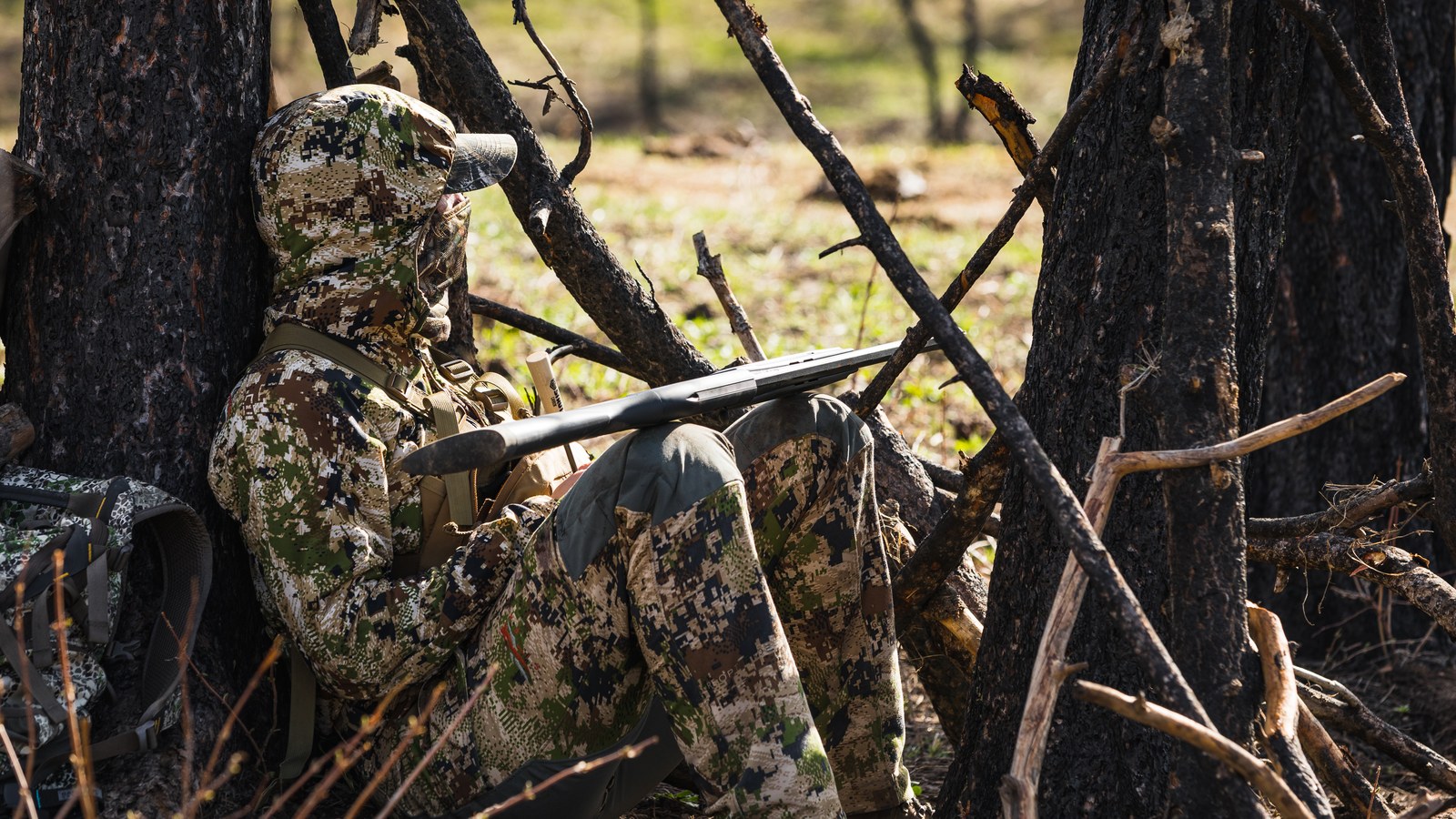
Florida doesn't get the national hunting attention it deserves. Most people think of the state as a beach destination, not a hunting destination, which is exactly why the hunters who do book private land in Florida tend to have exceptional experiences. The state runs a complex season structure across five wildlife management zones, holds one of the largest deer herds in the Southeast, and offers year-round hog hunting that makes it one of the most accessible states for hunters who want to maximize their time in the field.
This guide covers Florida's major species and season structure, how the zone system works, and why private land access in Florida produces results that public WMA hunting in the state rarely matches.
Florida divides its hunting regulations into five zones — A, B, C, D, and E — that roughly correspond to geographic regions of the state from north to south. Zone A covers the panhandle and far north Florida, which hunts most like neighboring Georgia and Alabama in terms of terrain and deer behavior. Zone B covers north-central Florida. Zones C, D, and E move progressively south through the peninsula, with Zone C covering the central part of the state and Zones D and E covering the south.
Season dates, bag limits, and antler restrictions vary by zone, and the differences are meaningful. Zone A's deer season typically opens earliest and runs longest, reflecting the more traditional Southern hunting culture and deer management approach of the panhandle. The southern zones have shorter and later seasons that align with the later rut timing caused by Florida's subtropical climate.
The Florida Fish and Wildlife Conservation Commission publishes updated regulations annually, and given the complexity of the zone system, checking the current FWC regulation summary for your specific zone before you hunt is essential. Dates shift year to year, antler point restrictions apply in some zones, and bag limits vary enough across zones that assuming last year's rules still apply is a mistake.
Florida's whitetail deer population is concentrated in the northern half of the state, with the panhandle and north-central Florida holding the best deer hunting. The rut in Zone A typically runs in late October and early November, similar to neighboring Deep South states. In the central and southern zones, rut activity is later and less pronounced, with some areas seeing peak breeding activity as late as January or February.
Archery season in most Florida zones opens in mid-July, making Florida one of the earliest archery openers in the country. The July and August archery season is a different experience than fall hunting in most states — Florida's summer heat and humidity require hunters to adapt their approach, with early morning and late afternoon hunts near water sources and food being more productive than all-day sits. The early season also coincides with velvet bucks, which is a visual experience that hunters in states with later archery openers rarely get.
General gun season in most zones runs from late October or early November through early January, with muzzleloader seasons integrated into the overall structure depending on the zone. Florida allows crossbows during archery season statewide, which makes the early season accessible to a broader range of hunters.
Private land deer hunting in Florida, particularly in the panhandle counties and the agricultural areas of north-central Florida, produces quality whitetails on managed ground that the state's public WMAs simply can't match in terms of deer age structure and trophy potential. Florida's public WMA system is extensive but heavily pressured, and the reservation system for popular WMAs fills quickly. Private land access through LandTrust in counties like Jackson, Holmes, Washington, and Alachua puts hunters on managed ground where deer are allowed to reach maturity.
This is where Florida separates itself from most other states. Feral hogs are not a game animal in Florida — they are classified as unprotected wildlife, which means they can be taken year-round on private land without a license or bag limit. The only restriction is that you must have a valid hunting license if you're using firearms or archery equipment on private land during daylight hours, but the season and bag limit restrictions that govern deer and turkey simply do not apply to hogs.
Florida's feral hog population is enormous, with an estimated 500,000 to 750,000 hogs distributed across the state. They're present on virtually every piece of private agricultural and ranch land in the state, and landowners generally welcome hunters who help manage populations that cause significant crop and pasture damage.
For hunters who want to maximize time in the field, Florida hog hunting offers an opportunity that few other states can match. You can hunt private land for hogs in June, July, August — whenever you want, as many times as you want, with no permit required beyond a standard hunting license. Night hunting with artificial light is legal for hogs on private land in Florida, which opens up an entirely different style of hunting that most Eastern hunters haven't experienced.
Private land hog hunting in Florida through LandTrust is particularly well suited to hunters who want a first hog hunting experience, families looking for a high-action hunt without the complexity of a lottery or draw system, or out-of-state hunters who want to add a Florida trip to their season calendar without the planning overhead of a deer or turkey hunt.
Florida's spring turkey season typically runs from mid-March through late April, with an Osceola turkey being the specific draw for serious hunters. The Osceola is one of the five subspecies of wild turkey in North America and is found only in Florida — completing a turkey grand slam requires harvesting an Osceola, and Florida is the only place to do it. That alone makes Florida a destination turkey state for hunters chasing the slam.
Osceola turkeys are found in the central and southern peninsula, particularly in the oak hammock and palmetto flatwood country that characterizes the landscape south of Orlando. They are notoriously vocal birds with a reputation for being difficult to call compared to Eastern gobblers, and hunters who come from states where henned-up birds are the primary challenge will find Florida turkeys a different kind of puzzle.
The panhandle holds Eastern wild turkeys rather than Osceolas, and the hunting there is more similar to Georgia or Alabama turkey hunting in terms of terrain and bird behavior. Both offer excellent private land opportunities, and hunters who book Florida turkey properties on LandTrust should confirm which subspecies is present on the property before they book.
Florida sits within the Atlantic Flyway and offers waterfowl hunting primarily in the northern part of the state and along the Gulf Coast. Duck season follows federal frameworks and typically runs from late November through late January in split seasons. The state's extensive freshwater marshes, river systems, and coastal wetlands hold a mix of puddle ducks and diving ducks depending on the region.
The Gulf Coast offers sea duck opportunities that are uncommon in most inland states, and the St. Johns River system and Lake Okeechobee region hold significant numbers of ring-necked ducks, lesser scaup, and other diving species during the winter months.
Florida also offers dove hunting with a September 1 opener in the northern zones, quail hunting on managed private land in the panhandle, and snipe hunting in wetland areas that most hunters overlook. The state's year-round warm climate and diverse habitat make it genuinely productive across a wider range of species than most hunters associate with Florida.
Florida hunting licenses are available through the Florida Fish and Wildlife Conservation Commission online portal. Non-residents need a non-resident hunting license as a base, with species-specific licenses for deer and turkey. Florida offers a five-day non-resident license option that works well for out-of-state hunters planning a focused trip rather than a full season.
The hog hunting license situation is worth understanding clearly. On private land in Florida, hogs can be taken by the landowner or their designee without a hunting license at any time. If you're a visiting hunter accessing private land through LandTrust, you'll need a standard hunting license if you're using firearms or archery equipment, but no hog-specific tag, permit, or bag limit applies.
Florida's public hunting land is extensive — the state manages millions of acres through the WMA system — but competition for access, particularly for deer and turkey, is significant. The reservation system for popular WMAs books out quickly, and walk-in access on unreserved WMA land during peak season means hunting ground with significant pressure.
Private land in Florida offers what the WMA system can't — known terrain, controlled access, and the ability to hunt the same piece of ground across multiple seasons in a way that builds knowledge of deer movement, turkey roosting areas, and hog patterns that one-time public land access never produces.
Browse Florida hunting properties on LandTrust for deer, hog, turkey, and waterfowl access across the state's best private ground.