Podcast
Apr 3, 2026

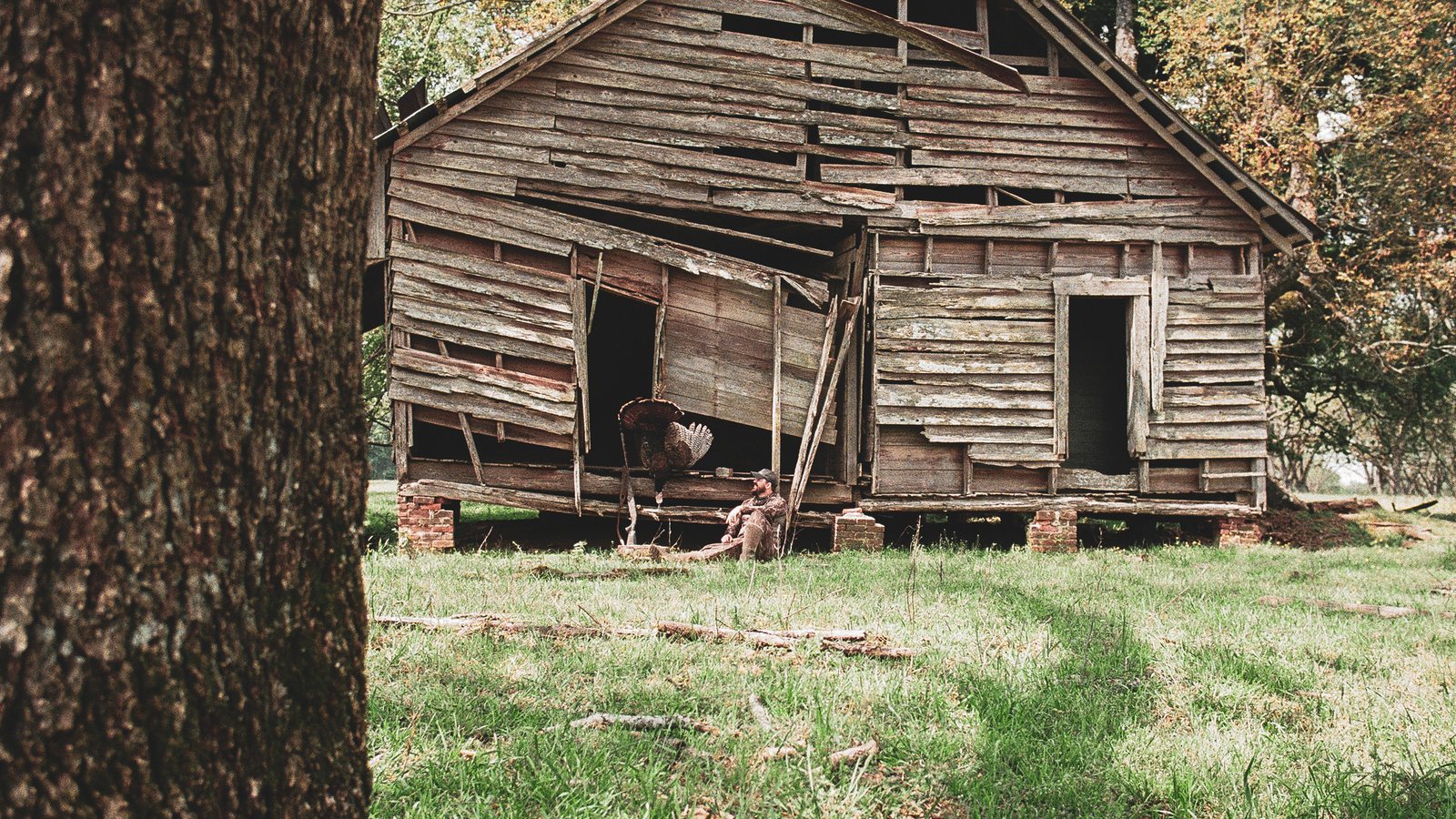
If you're planning a hunt in Virginia or West Virginia, the most important thing you can do before you book land or buy a tag is understand how each state structures its seasons. These two states sit side by side on the map but manage their wildlife differently, with separate licensing systems, different zone structures, and regulations that change year to year.
This guide covers both states in one place — deer, turkey, bear, waterfowl, and small game — with the details that matter most for hunters booking private land access.
Virginia Hunting Seasons 2026-2027
Virginia divides its hunting regulations by species and by region, with some seasons varying between the western mountains and the eastern coastal plain. The Virginia Department of Wildlife Resources publishes updated seasons each year, and checking the current DWR regulation digest before your hunt is always the right move.
Deer Hunting
Archery season in Virginia typically opens in early October statewide and runs through mid-November, with a late archery extension in most areas through early January. Muzzleloader season runs in mid-November for about two weeks. Firearms season for antlered deer generally opens in mid-November and runs through early January depending on the zone.
Virginia has a Sunday hunting allowance on private land, which matters if you're booking a weekend property. Bag limits vary by zone, but most hunters can take multiple antlerless deer throughout the season on private land with the right tags.
For hunters booking private land in the Shenandoah Valley, the northern Piedmont, or the tidewater region, deer density is strong across all three landscapes. The terrain and shot distances vary significantly — ridge and timber country in the west versus open agricultural fields in the east — so know your property before you settle on a rifle setup.
Turkey Hunting
Virginia's spring turkey season typically runs from early April through mid-May, with a fall season available in many counties from late October through mid-November. Virginia consistently ranks among the top states in the Southeast for turkey hunting on private land, with strong populations in both the mountain west and the agricultural Piedmont.
Spring turkey hunting on private land in Virginia is particularly productive because you're dealing with concentrated birds on known ground rather than competing for public land access. If you're booking a property for turkey, look for land with a mix of hardwood timber and open fields — that transition edge is where birds spend most of their mornings.
Bear Hunting
Virginia has a healthy black bear population concentrated in the western mountain counties and the Appalachian plateau. Bear season typically runs in conjunction with deer season in November, with archery and muzzleloader options as well. Virginia requires a bear hunting license in addition to a base hunting license for most hunters.
Waterfowl
Waterfowl seasons in Virginia follow the federal frameworks set by the U.S. Fish and Wildlife Service and are managed through Atlantic Flyway regulations. Duck season typically runs from early October through late January in split seasons. Goose seasons vary by species, with Canada goose seasons running longer in many zones.
Virginia's eastern shore and tidewater region offer some of the best private land waterfowl hunting on the East Coast. Flooded agricultural fields, tidal marshes, and private pond access on LandTrust properties in this region can put hunters in front of birds that public land hunters never see.
Small Game and Other Species
Squirrel season in Virginia opens in late September and runs through late February, making it one of the longest small game seasons in the state. Rabbit season typically runs from November through February. Dove season opens September 1 statewide, which is one of the most popular early season opportunities on private land.
West Virginia Hunting Seasons 2026-2027
West Virginia is a different hunting environment than Virginia — more rugged, more heavily forested, and with a reputation for producing quality whitetail deer and black bear on both public and private ground. The West Virginia Division of Natural Resources manages seasons that tend to favor archery hunters and muzzleloader enthusiasts given the terrain.
Deer Hunting
West Virginia's archery season typically opens in late September and runs through December, with one of the longer archery windows in the region. Firearms season for buck deer generally runs in mid-November for about two weeks, followed by an antlerless season that extends through December in most counties. A late muzzleloader season often runs into early January.
West Virginia is well known for producing large-bodied whitetails, particularly in the eastern panhandle and the southern coalfield counties. Private land access in West Virginia tends to mean timber company ground, family farm land, and ridge properties that see significantly less pressure than the state's public forests.
If you're booking private land in West Virginia specifically for deer, pay attention to the county-specific regulations, as bag limits and antler restrictions can vary by zone. The WVDNR digest is the authoritative source for current season specifics.
Turkey Hunting
Spring turkey season in West Virginia typically runs from mid-April through late May, with fall turkey seasons available in most counties from late October through early December. West Virginia's spring turkey hunting is underrated nationally — the mountain terrain and low hunting pressure on private land create genuine opportunities for hunters who put in the scouting work.
Bear Hunting
West Virginia has one of the most active black bear hunting programs in the eastern United States. Bear season typically includes archery, muzzleloader, and firearms phases that run from September through December depending on the zone. West Virginia consistently produces high bear harvests, and private land hunting in the state's mountainous counties can put hunters into areas with very little competition.
A bear license is required in addition to a base hunting license. Some zones have quota hunts with limited license availability, so checking WVDNR guidance early in the planning process is important.
Waterfowl
West Virginia is not a primary waterfowl destination, but hunters with private pond or river access can find wood ducks, mallards, and teal during migration. Seasons follow federal frameworks and typically run from October through January. If you're specifically targeting waterfowl, Virginia's eastern region is a stronger destination — but for hunters who want to add waterfowl to a West Virginia deer or turkey trip, private water access on a LandTrust property can produce quality shooting during migration windows.
Small Game
Squirrel season in West Virginia opens in late August — one of the earliest in the region — and runs through late February. Rabbit season typically runs from November through February. Grouse hunting in West Virginia is a genuine draw for upland hunters, with native ruffed grouse populations in the mountain counties that are increasingly rare elsewhere in the East.
Licensing for Virginia and West Virginia
Both states require a base hunting license for residents and non-residents, with separate licenses for deer, turkey, bear, and waterfowl in most cases. Non-resident fees are higher in both states, and some species require additional tags purchased at the time of harvest.
Virginia licenses are available through the Virginia Department of Wildlife Resources online portal. West Virginia licenses are available through the West Virginia Division of Natural Resources online system. Both states offer combination licenses that bundle multiple species into a single purchase, which typically represents better value for hunters planning multi-species trips.
If you're hunting both states in the same season — which is genuinely practical given how close the two states are — budget for separate license fees in each state. The cost is worth it for hunters who can book private land in both systems.
Booking Private Land in Virginia and West Virginia
The biggest advantage of private land hunting in both states is predictability. You're not competing for parking lots or worrying about pressure from other hunters moving deer off adjacent parcels. When you book through LandTrust, you know the terrain, the access points, and the property rules before you arrive.
Virginia properties on LandTrust range from agricultural Piedmont ground ideal for whitetail and dove to mountain timber in the western counties suited for bear and turkey. West Virginia listings tend toward rugged timber ground and ridge properties with strong deer and turkey potential and very low hunting pressure.
If you're planning a fall trip to either state, now is the time to browse available properties, confirm season dates with the relevant state agency, and make sure your licenses are in order before opener.
Browse Virginia and West Virginia hunting properties on LandTrust and find private land that matches your season.