Sportsman
May 19, 2025

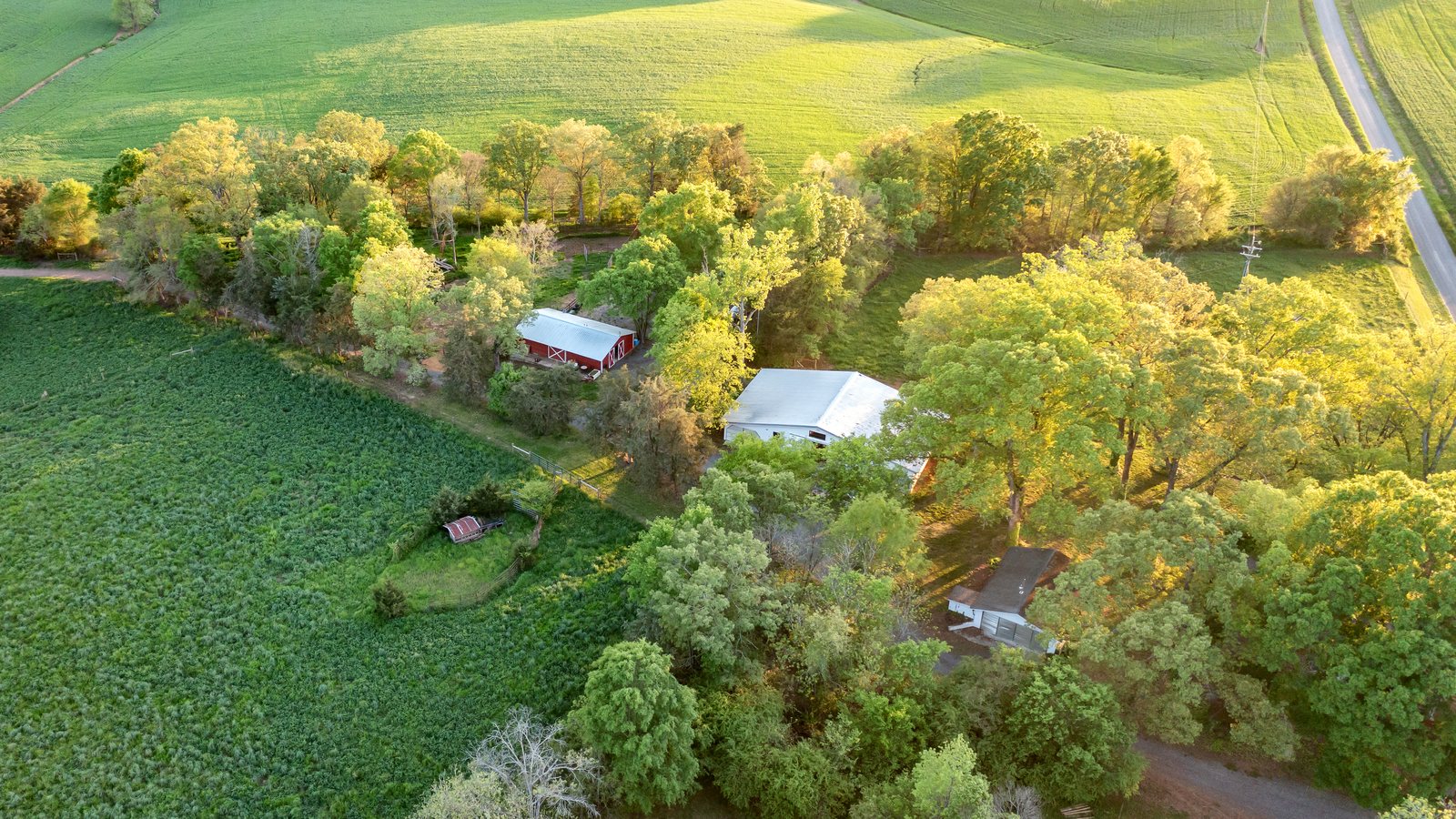
Massachusetts is not the first state most hunters think of when they're planning a whitetail trip, but it should get more credit than it does. The state holds a healthy and growing deer population, runs a season structure that offers genuine opportunity across archery, primitive firearms, and shotgun phases, and produces mature bucks on well-managed private land that surprise hunters who've written the state off as too suburban or too heavily regulated. The Massachusetts Division of Fisheries and Wildlife manages deer carefully across a zone system that reflects the state's varied landscape, and hunters who understand how that system works have a real advantage over those who don't.
This guide covers Massachusetts deer hunting zones, season structure, tag rules, and where private land access changes the equation for hunters planning a Massachusetts trip.
Massachusetts divides its deer hunting into wildlife management zones that cover different regions of the state. The zones reflect differences in deer density, habitat type, and population management goals, and season dates, bag limits, and antlerless permit availability vary by zone. The western zones covering the Berkshires and the Connecticut River valley generally have different season structures than the central and eastern zones, and hunters need to confirm their specific zone's rules before purchasing licenses or making trip plans.
The Massachusetts Division of Fisheries and Wildlife publishes updated regulations annually. The regulation summary is available online through the MassFishHunt portal, and zone-specific information including antlerless permit availability is updated each year as harvest data and population surveys are processed. Checking the current year's zone-specific rules rather than relying on prior year information is important — antlerless permit allocations in particular shift meaningfully from year to year based on population goals.
Massachusetts archery season typically opens in mid-October and runs through late November, with a late archery season that continues through December and into early January in most zones. The October opener aligns with the pre-rut period when bucks are beginning to expand their range and daylight movement increases before the full rut kicks in.
Bowhunting in Massachusetts is conducted primarily from tree stands and elevated positions given the dense hardwood and mixed forest terrain that covers most of the state. Ground blinds work on agricultural edges and field corners but the majority of Massachusetts hunting terrain is forested enough that elevation is standard practice. Shot distances tend to be short — inside 30 yards is realistic in most Massachusetts timber, and hunters who practice to 20 yards and know their equipment limitations thoroughly have better outcomes than hunters trying to stretch archery distances in tight cover.
The late archery season that runs through December and into January is an underutilized opportunity in Massachusetts. Post-rut bucks are focused almost entirely on food, and hunters who identify late-season food sources — standing corn where it exists, acorn caches in hardwood timber, winter browse along clearcut edges — and set up on those sources during the late season can intercept mature bucks that have survived the firearms season pressure. Private land access during the late season is particularly valuable because unpressured deer return to predictable feeding patterns more quickly than deer on public land that have been bumped repeatedly through November.
Massachusetts runs a primitive firearms season that covers muzzleloaders and certain single-shot firearms in a window that typically falls in late October and early November, bridging the archery and shotgun seasons. The primitive firearms season covers the front end of the rut in most Massachusetts zones, which makes it one of the most productive hunting windows in the state's season structure.
Hunters who have invested time in a quality inline muzzleloader with modern propellants and saboted bullets can take ethical shots at distances that approach centerfire rifle performance, which opens up opportunities in agricultural edge habitat and larger clearings that archery equipment doesn't cover as effectively. Massachusetts's muzzleloader season is not a consolation prize for hunters who missed the shotgun season — it's a legitimate and productive hunting phase that falls during some of the best deer movement of the year.
The Massachusetts shotgun season is the primary firearms season for most hunters in the state and typically runs for approximately two weeks in late November and early December. Shotgun only — no rifles — is the rule for deer in Massachusetts, which reflects the state's population density and the need to limit bullet travel distance in terrain that frequently has roads, homes, and other infrastructure within line of sight.
Rifled slugs and sabot slugs through rifled choke tubes have turned modern shotguns into accurate deer hunting tools at distances that were not achievable with traditional smooth bore slug guns. Hunters with a quality slug gun and rifled barrel or rifled choke can make ethical shots at 75 to 100 yards consistently, which covers the realistic shot distances in most Massachusetts hunting terrain.
The shotgun season timing in late November covers the post-rut period when bucks are recovering from the breeding season and moving heavily to food sources. Mature bucks that have been largely nocturnal through the peak rut often become more visible during daylight in the post-rut as they prioritize feeding over breeding. Hunters who have been in the woods through the archery and primitive firearms seasons and have identified food sources and doe family group activity areas are positioned to capitalize on this movement during the shotgun season.
Massachusetts deer tags work on a system where the base hunting license covers one antlered deer per season. Antlerless deer — does and button bucks — require a separate antlerless permit that is issued through a lottery system in most zones. Antlerless permit allocations vary significantly by zone based on population management goals, and some zones issue substantially more permits than others.
Applying for antlerless permits in Massachusetts requires attention to the application timeline, which runs in late summer before the season. Hunters who miss the antlerless permit application window are limited to antlered deer for that season, which matters for hunters focused on filling a freezer rather than specifically targeting bucks. Checking the MassFishHunt portal for current-year antlerless permit application dates and zone allocations is an annual task for Massachusetts deer hunters.
Bonus antlerless permits are available in some zones after the initial lottery, and hunters who were unsuccessful in the main lottery should check for bonus permit availability as the season approaches. Private land hunters in zones with high antlerless allocations can legitimately fill multiple deer in a season through a combination of the base license tag and antlerless permits, which makes private land access in high-allocation zones particularly valuable for hunters who prioritize venison over trophy hunting.
Massachusetts has significant public hunting land across its state forests, wildlife management areas, and the Quabbin Reservoir watershed, but the ratio of hunters to huntable public land is not favorable given the state's population density. The Quabbin watershed in particular draws substantial pressure because it combines large acreage with a reputation for producing mature bucks in restricted-access terrain.
Private land in Massachusetts changes the pressure equation fundamentally. Agricultural land in the Connecticut River valley, woodlot parcels in the central counties, and managed timber land in the Berkshires hold deer that operate under significantly less hunting pressure than deer on accessible public land. Mature bucks in Massachusetts exist on private ground — they simply don't survive on public land long enough to reach the age class that produces the kind of antler development most hunters are chasing.
The size of private parcels in Massachusetts tends to be smaller than in Western states, which means that stand placement, access routes, and scent control matter more than they do on large Western ranches where hunters can cover ground. Hunters who treat Massachusetts private land hunting with the same attention to detail they'd bring to a Midwest trophy whitetail operation — careful access routes that don't cut through bedding areas, wind-appropriate stand selection, minimal intrusion — get results on Massachusetts private land that casual hunters don't.
Western Massachusetts private land in the Berkshire hills and the Connecticut River valley offers a hunting experience that is as close to true wilderness whitetail hunting as you'll find in New England. The terrain is rugged, deer densities are solid, and the combination of agricultural valleys and forested ridges creates the habitat diversity that produces quality deer on well-managed ground.
Browse Massachusetts deer hunting properties on LandTrust for private land access across the state's best whitetail ground in the Berkshires, the Connecticut River valley, and the central counties.