Landowner
Nov 13, 2025

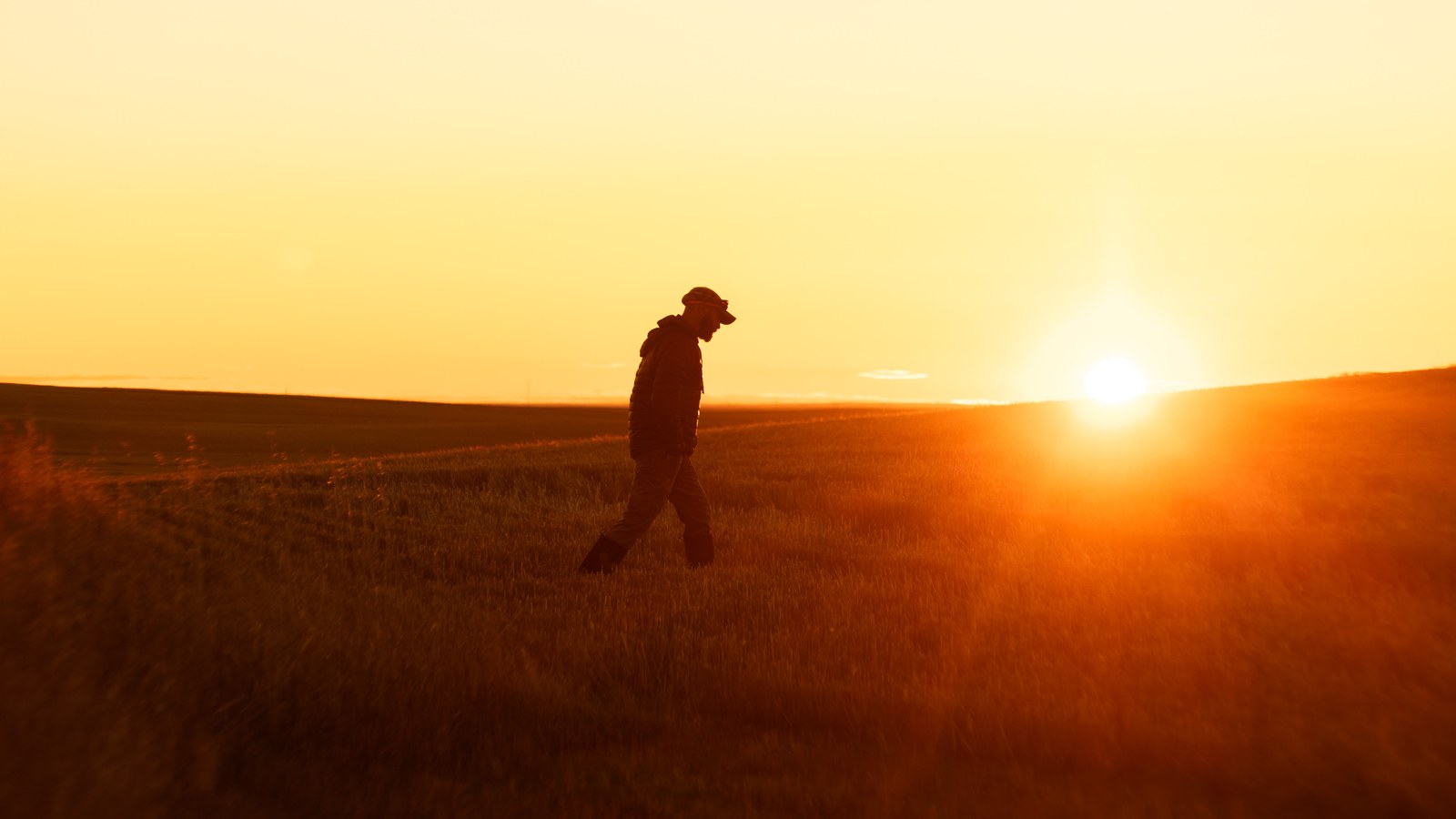
The Dakotas occupy a singular position in the American upland hunting landscape. No two states produce more wild pheasants, more sharptail grouse, or more Hungarian partridge per square mile of huntable ground than North Dakota and South Dakota, and no two states have built a stronger regional identity around the October and November upland season that defines fall hunting across the Northern Plains. Hunters who have made the Dakota pilgrimage once tend to make it an annual event. Hunters who haven't are missing the best wild bird hunting in the country.
This guide covers both states — what they offer by species, how the season structure works, where the birds concentrate, and why private land access in the Dakotas produces a fundamentally different experience from the public walk-in hunting that most first-time visitors rely on.
The answer is habitat, and specifically the combination of row crop agriculture and native grass conservation programs that the Northern Plains produces at a scale no other region matches. The Conservation Reserve Program — CRP — is the single most important driver of upland bird populations in both states, providing nesting cover in the form of native grass plantings on formerly cropped acres that give pheasants, sharptails, and Huns the undisturbed ground cover they need to nest successfully and rear broods through the summer.
North Dakota leads the country in CRP enrollment, with millions of acres of native grass cover distributed across the agricultural landscape in a way that creates the habitat mosaic that upland birds require. South Dakota's CRP enrollment is similarly significant, and the combination of corn, soybeans, sunflowers, and small grains adjacent to native grass cover creates feeding and nesting habitat that supports bird densities that hunters from other parts of the country find genuinely surprising the first time they experience them.
The Prairie Pothole Region that covers much of both states adds a water component to the habitat equation that matters for bird production — wetlands interspersed with native grass uplands create the insect-rich environment that upland bird chicks depend on in the first weeks of life. A wet spring followed by a dry nesting season in the Dakotas produces exceptional bird numbers that hunters experience as covey after covey of pheasants and sharptails in October, with little understanding of why this particular year is so good compared to a dry spring year when chick survival was poor.
South Dakota pheasant hunting needs no introduction to hunters who have spent any time researching the species. The state produces more ring-necked pheasants than any other in the country and has maintained that position through a combination of CRP enrollment, agricultural diversity, and a hunting culture that has built an entire tourism infrastructure around the October through December pheasant season.
The east river country — the agricultural land east of the Missouri River — is the heart of South Dakota pheasant hunting. The counties of Beadle, Spink, Faulk, Hand, Hyde, and Buffalo in the central part of the state produce birds in numbers that make hunters from Iowa or Kansas recalibrate their expectations for what a good pheasant day looks like. A party of four hunters with good dogs working private agricultural ground in Spink County on opening weekend can realistically flush dozens of roosters in a morning, a shooting opportunity that simply does not exist in most other pheasant states.
South Dakota's season opens on the third Saturday of October statewide — the opener is one of the most anticipated single days in the American hunting calendar, drawing hunters from across the Midwest and beyond to the east river towns that fill their motels and restaurants for the first two weeks of the season. The opening weekend energy in towns like Redfield, Huron, and Miller reflects the economic and cultural importance of pheasant season to the communities that host it.
Season pressure on public walk-in areas and Game Production Areas during opening week is significant. The Dakota Prairie Grasslands, state Game Production Areas, and the walk-in access program all provide public hunting access to enrolled private land, but the most productive walk-in areas within reasonable driving distance of major highways receive pressure that educates birds quickly. By the second week of November, wild roosters that have survived opening week pressure are running ahead of dogs, flushing wild at distances outside comfortable shooting range, and using the thickest available cover in ways that make them significantly harder than opening day birds.
Private land pheasant hunting in South Dakota solves the pressure problem entirely. Agricultural ground that has not been walked through opening week, shelter belts and food plots managed specifically for bird holding, and the ability to hunt the same cover across multiple days without competing with other parties produces pheasant hunting that reflects what the state's bird numbers actually support. The gap between walk-in area hunting and quality private land hunting in South Dakota is wider than in almost any other upland state, and hunters who book private ground through LandTrust are accessing that gap rather than fighting for position on public areas.
North Dakota is the less celebrated of the two Dakotas in the national upland hunting conversation, and that lower profile is part of what makes it worth understanding. The state holds strong pheasant populations in its south-central and southeastern agricultural counties, and its sharptail grouse population — distributed across the native grasslands of the central and western part of the state — is among the best in the country.
North Dakota pheasant hunting is concentrated in the James River valley and the agricultural counties of the southeastern corner of the state, where corn and sunflower production adjacent to CRP native grass cover creates habitat that mirrors the productive east river country of South Dakota. The difference is hunting pressure — North Dakota draws fewer out-of-state hunters than South Dakota, which means birds on comparable habitat receive less pressure and hold better through the season.
Sharptail grouse in North Dakota are the primary draw for hunters who know the state's upland hunting beyond pheasants. The native grasslands of the Missouri Coteau — the rolling glaciated terrain that covers much of central and western North Dakota — hold sharptail populations on native range that has not been converted to row crop agriculture. These birds live in big, open country with no shelter belts or agricultural edges, and hunting them requires covering ground with dogs capable of working the wide-open terrain that characterizes the Coteau landscape.
North Dakota sharptail season typically opens in September and runs through December, providing a long window that covers the full range of fall bird behavior. September sharptails are in family groups on their summer range, approachable and abundant in good years. October and November birds have formed larger winter flocks that concentrate around food sources and shelter cover, producing covey flushes that reward hunters who locate the right feeding and loafing areas on native grass country.
Hungarian partridge are distributed across both Dakotas wherever small grain agriculture meets native grass cover, and they are the upland species that most consistently surprises hunters who encounter them for the first time. Huns are fast, they hold reasonably well for pointing dogs in good cover, and they flush in tight coveys that produce multiple shot opportunities when a hunting party is in position.
The best Hun hunting in the Dakotas is found in the small grain farming country of north-central South Dakota and the agricultural regions of central and western North Dakota, where wheat, barley, and sunflower production adjacent to native grass edges creates the habitat that Hun populations thrive in. Huns in these areas are associated with the transition zones between cultivated fields and native cover — fence lines, shelter belt edges, and the grassy margins of sloughs and wetlands that border agricultural ground.
Combination hunting for pheasants, sharptails, and Huns on the same North or South Dakota private land property on the same day is one of the genuinely unique experiences that Dakota upland hunting provides. A morning that starts with sharptails on native grass, moves to Huns on agricultural edges, and finishes with roosters in shelter belts and standing corn is a mixed bag day that very few places in the country can produce, and the Dakotas do it on private agricultural and ranch ground that holds all three species in proximity.
Dogs are not optional for serious Dakota upland hunting. The scale of the country, the running tendencies of late-season pheasants, and the wide-open terrain that sharptails and Huns inhabit all favor hunters who are working with dogs capable of covering ground efficiently and locating birds by nose rather than relying on visual contact.
Pointing breeds — German shorthairs, Vizslas, Brittanys, and setters — are the dominant dog choice for Dakota upland hunting given the mixed species hunting that most hunters pursue. A pointing dog that will hold on a pheasant long enough for hunters to get into position and also handle the faster-flushing sharptails and Huns is more versatile than a flushing dog in country where shot distances can vary dramatically based on terrain and bird behavior.
Flushing dogs — Labrador retrievers and spaniels — work well for pheasant hunting specifically, particularly in heavy cover like cattail sloughs and standing corn where the close-range flushing style of a Labrador is an asset. The retrieving ability of a Lab in a day of Dakota pheasant hunting — recovering downed birds in thick cover and across sloughs and drainage ditches — is also genuinely valuable in country where wounded birds can cover significant ground before going down.
Hunters without their own dogs who are booking private land access in the Dakotas should ask landowners or outfitters about dog availability when booking. Hunting South Dakota pheasants without a dog during the second half of the season when birds are running is a significantly less productive experience than hunting with a dog capable of pinning birds in cover.
The Dakota walk-in access programs — South Dakota's Walk-In Area program and North Dakota's Open Fields and Waters program — provide meaningful public hunting access to enrolled private land across both states. These programs are worth understanding and using, particularly for hunters visiting for the first time who haven't established private land relationships.
What the walk-in programs cannot provide is what private land booked through LandTrust delivers — known ground with known bird activity, access that isn't shared with other hunting parties, and the ability to return to productive cover across multiple days of a trip without finding it has been worked over by other hunters who arrived before you. The best walk-in areas in South Dakota during the first two weeks of October are not secrets, and the hunting pressure they receive reflects their reputation.
Private land in the east river country of South Dakota and the agricultural and grassland country of North Dakota available through LandTrust opens ground that the public access programs don't cover — working farm and ranch land where birds have been undisturbed and where the hunting experience reflects what the Dakotas' bird populations actually support when pressure is controlled.
Browse upland hunting properties on LandTrust in North Dakota and South Dakota for private land pheasant, sharptail, and Hungarian partridge access across the Northern Plains.