Sportsman
Aug 26, 2026

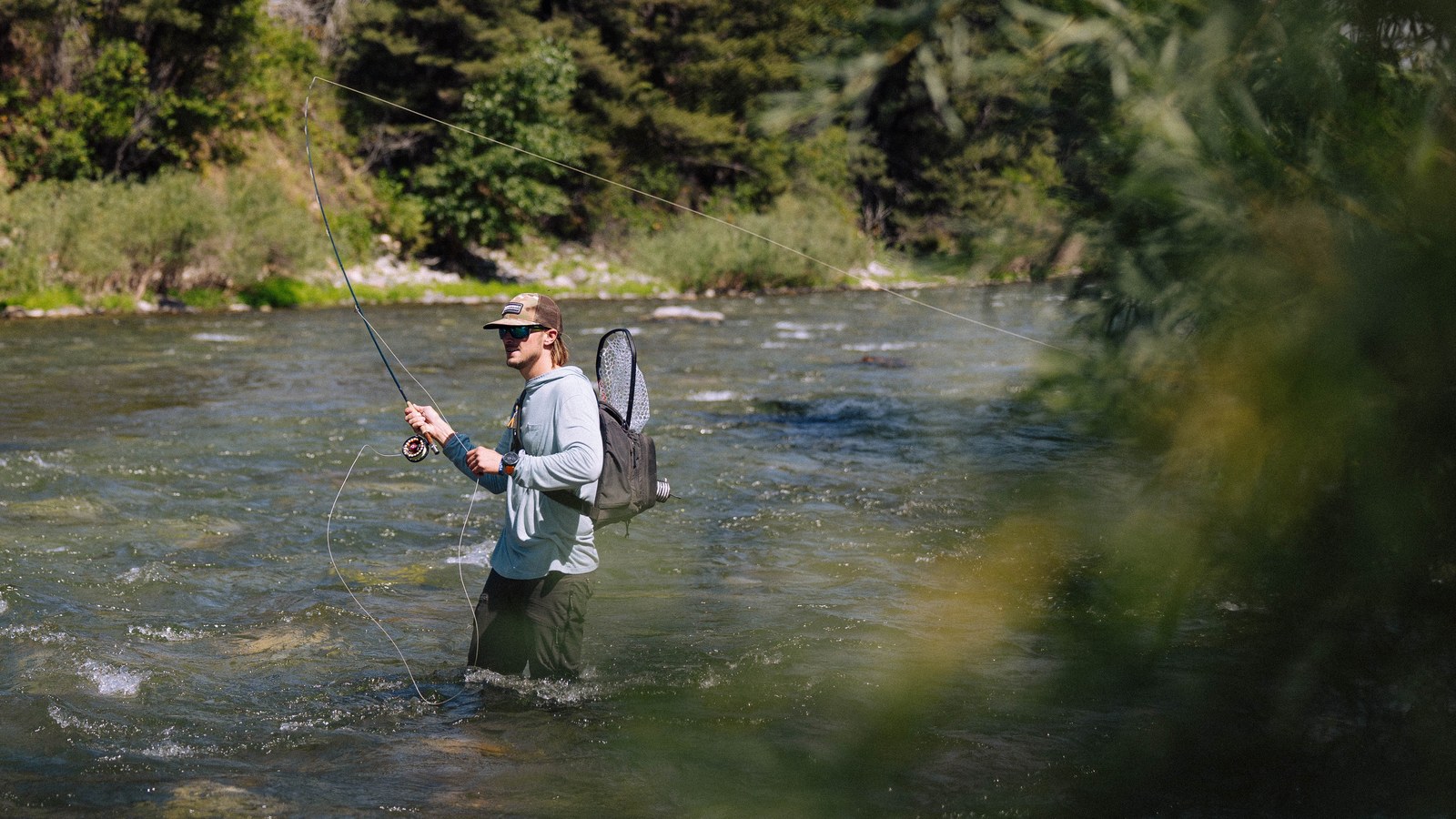
Most fishing content focuses on public water. Reservoir guides, river access points, stocking schedules for state-managed lakes — the assumption is always that fishing means public fishing. But some of the best water in the country is private, and most anglers have never seriously considered what it would take to get on it.
Private land fishing access is exactly what it sounds like. A landowner with a pond, lake, river frontage, or creek running through their property lists that water for access, and anglers book it the same way a hunter books a deer lease. The fish don't know the difference between public and private water. The experience is entirely different.
This guide covers what private land fishing access looks like in practice, where the best opportunities are concentrated, what species you're most likely to encounter, and why the private water experience is worth understanding if you're serious about fishing.
Private fishing access covers a wider range of water types than most anglers initially picture. The most common type is a private pond or small lake on agricultural or ranch land — a farm pond stocked with largemouth bass, bluegill, and catfish that has seen little to no fishing pressure because it's been closed to the public. These ponds exist by the tens of thousands across the rural South, Midwest, and Great Plains, sitting on working farms and ranches that have never thought of them as a fishable asset until a platform like LandTrust came along.
Beyond farm ponds, private fishing access includes river and creek frontage on private land. In most states, the law governing who owns river and streambed varies, but the practical reality is that many of the most productive stretches of trout streams, smallmouth rivers, and bass creeks run through private land that limits bank access and wading entry. A landowner with half a mile of prime trout water running through their ranch can offer an angler an experience that public access points on the same river simply can't replicate — no crowds, no competition for pools, and fishing conditions that haven't been disrupted by a dozen other anglers that morning.
Private lakes and reservoirs on larger land holdings represent the upper end of the private fishing experience. These are managed bodies of water where the landowner controls harvest, stocking, and access in a way that produces fish quality and size that public lakes rarely match. A managed private lake with slot limits and controlled harvest will grow largemouth bass to sizes that public water under heavy pressure can't consistently produce.
The core reason private water fishes better than public water is pressure. Fish in heavily pressured public water get educated fast. Bass that have been caught and released dozens of times in a season become significantly more difficult to fool on conventional presentations. Trout in a popular public stream learn to ignore most dry fly patterns after enough fishing seasons. The fish don't disappear — they just become harder.
Private water that sees limited or controlled access doesn't have this problem. Bass in a farm pond that gets fished a handful of times a year are genuinely naive fish that respond to basic presentations with enthusiasm. Trout in a private stretch of river that sees two or three anglers a week feed confidently in ways that fish on public catch-and-release water rarely do. The fishing is more productive not because the fish are different but because they haven't been pressured into caution.
Water quality and habitat management on private land also tend to be better than public water in agricultural regions. A landowner who manages their pond for fishing — controlling vegetation, maintaining water levels, stocking appropriate species ratios — produces a healthier fishery than a public pond that receives no active management. The difference shows in fish condition, size distribution, and overall catch rates.
Farm pond bass fishing is the most widely available private water opportunity across the country. Largemouth bass in managed farm ponds across the South, Midwest, and mid-Atlantic grow to sizes that surprise anglers used to fishing public reservoirs. A well-managed private pond with controlled harvest and regular stocking can produce consistent five-pound-plus largemouth in water that might be fifteen acres or smaller. The fishing is often more technical than it looks — bass in smaller water learn the structure quickly and respond best to anglers who read the water carefully rather than casting randomly.
Private trout water is concentrated in the mountain states and the Northeast, wherever cold, clear streams run through private ranch and farm land. Montana, Wyoming, Colorado, Idaho, and the Appalachian states all have significant private trout water that rarely sees public access. A private stretch of spring creek in Montana or a limestone stream in Pennsylvania offers dry fly and nymph fishing to wild trout that public water anglers wait years on a guided trip to experience.
Smallmouth bass fishing on private river frontage is an underappreciated opportunity in the mid-Atlantic and upper Midwest. Rivers like the New, Shenandoah, James, and Susquehanna systems run through significant private land, and bank access and wading entry on private stretches produces smallmouth fishing that the crowded public access points can't match during peak season.
Catfish and panfish on private water deserve more credit than they typically get from serious anglers. A private pond loaded with channel catfish or a bluegill population that has never seen significant harvest pressure produces fishing that's genuinely excellent, particularly for families or anglers who measure a good day by fish in the cooler rather than trophy size. Private catfish ponds in the South and private bluegill water across the Midwest are among the most consistently productive fishing experiences available on private land.
Private fishing access through LandTrust works similarly to booking a hunting property. You browse available listings by state, species, and water type, review the property description and photos, and book directly through the platform. The landowner sets the rules for the property — catch and release only, harvest limits, gear restrictions, access hours — and those rules are spelled out in the listing before you book.
Most private fishing access is day-based, meaning you're booking access for a specific date rather than a season lease. This structure works well for anglers who want to try different water types or target different species across a season without committing to a single property. It also means you can book a farm pond bass trip in April, a private trout stream in June, and a catfish pond in August as separate bookings on separate properties.
Gear needs for private fishing access are generally simpler than hunting. For farm pond bass, a medium action spinning or baitcasting setup with a selection of soft plastics, topwater lures, and crankbaits covers most situations. For private trout water, a four to six weight fly rod with a selection of dry flies and nymphs matched to the region's hatch calendar is standard. For catfish or panfish on private water, the simplest gear you own will do the job.
Check the property listing carefully before you go for any species or gear restrictions the landowner has put in place. Some private trout water is fly fishing only or barbless hook only. Some bass ponds have slot limits or catch and release requirements that the landowner enforces to protect their fishery. Respecting those rules is what keeps private water access available — landowners who have a bad experience with anglers who ignore the property rules stop listing their water.
The conversation about private land access in the outdoor world has been dominated by hunting for a long time. Deer leases, turkey properties, duck clubs — the hunting side of private land access is well established. The fishing side is earlier in its development, and that means the opportunity is genuinely underexplored.
An angler who starts booking private water access now is fishing water that most other anglers aren't on yet. The farm ponds, private trout streams, and managed bass lakes available through LandTrust represent a category of fishing that doesn't show up in magazine roundups or fishing social media because most people don't know it's accessible. The fish are there. The water is there. The access is available.
If you've been fishing the same public lakes and rivers and getting the same results, private water is worth serious consideration. The fish don't know they're supposed to be harder to catch.
Browse private fishing properties on LandTrust by state and species and find water that most anglers will never see.