Podcast
Apr 3, 2026

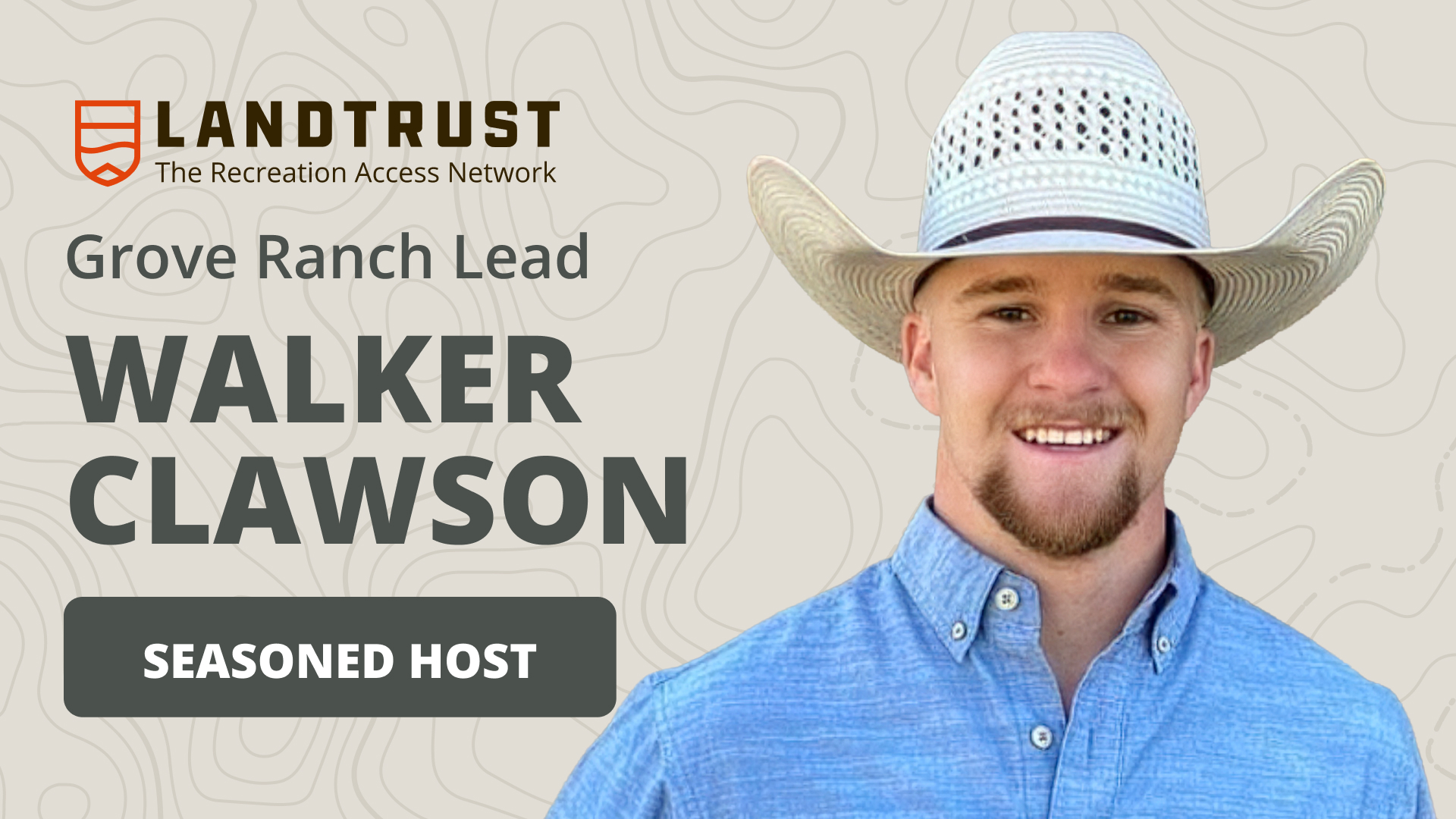
For Walker Clawson, the land in southwest Kansas isn’t just where he works — it’s where generations of his family story are written.
From homesteading roots that stretch across western Kansas, Oklahoma, and the Texas Panhandle to modern-day farming and ranching near Inglewood, Walker represents the continuity that defines so many LandTrust hosts. In this episode of the LandTrust Podcast – Seasoned Host Series, Walker shares how carrying on that legacy naturally evolved into hosting hunters, stewarding wildlife, and welcoming people from across the country onto his land.
Walker’s connection to the land runs deep. Both sides of his family homesteaded the region generations ago, farming and ranching through droughts, fires, and shifting eras of agriculture. Today, Walker continues that tradition alongside his family, managing cattle, crops, and wildlife with a long-term mindset.
That perspective shapes everything he does — from how pastures are grazed to how hunting pressure is managed. Stewardship isn’t a buzzword on Walker’s ranch; it’s a necessity for survival and sustainability.
“We don’t want to wipe anything out,” Walker explains. “Whether it’s grass, cattle, or wildlife, the goal is to preserve what’s here so it’s there next year too.”
For many outsiders, western Kansas is imagined as endless flat ground. Walker quickly dispels that notion.
While some counties nearby may be among the flattest in the country, Walker’s ground tells a different story — rolling pastures, canyons, draws, and nearly 200 feet of elevation change in places. That diversity creates prime habitat for a surprising range of species.
Across his eight LandTrust listings, hunters can find:
With exceptional moisture this year, wildlife populations are flourishing — a reminder of how closely land, water, and wildlife are connected on the plains.
Like many farmers and ranchers, Walker had experience with traditional hunting leases — and the limitations that came with them. Long-term leases often meant giving up flexibility and control, something that didn’t align with a working family operation.
LandTrust offered a different model.
Hosting allowed Walker to:
“The hunting side isn’t my full-time job,” Walker says. “LandTrust helps keep everything organized so it fits into real life — checking cattle during the day and handling bookings in the evening.”
One theme that comes up repeatedly in Walker’s hosting philosophy is experience over outcome.
Many of his guests are upland hunters traveling from states where access is limited. For them, the opportunity to run a dog freely, hunt alone, and experience wide-open space is the real reward.
“If they see birds or get one, that’s the cherry on top,” Walker explains. “A lot of folks are really there to give their dog room to run.”
That mindset aligns perfectly with LandTrust’s mission — creating meaningful outdoor experiences while respecting working lands.
Hosting, for Walker, is also a conservation tool.
By limiting the number of hunters per property and spacing out bookings, he’s able to protect wildlife populations while still offering access. This approach ensures that quail coveys, pheasant populations, and deer herds have the opportunity to rebound year after year.
“It’s not about hunting everything out,” Walker says. “If you want this to last, you’ve got to manage it.”
While Walker currently directs guests toward nearby towns for lodging, he sees potential for the future — from camper hookups to simple, hunter-friendly accommodations that make the most of the land year-round.
For now, his focus remains where it’s always been: caring for the land, supporting his family operation, and sharing opportunities others might never otherwise experience.
His advice to other landowners considering hosting?
“People don’t always realize the opportunity they see every day,” Walker says. “What’s normal for us out here is a dream hunt for someone else.”
Through LandTrust, Walker has found a way to honor the past, manage the present, and build something sustainable for the future — one hunt, one guest, and one season at a time.