Podcast
Jan 8, 2026

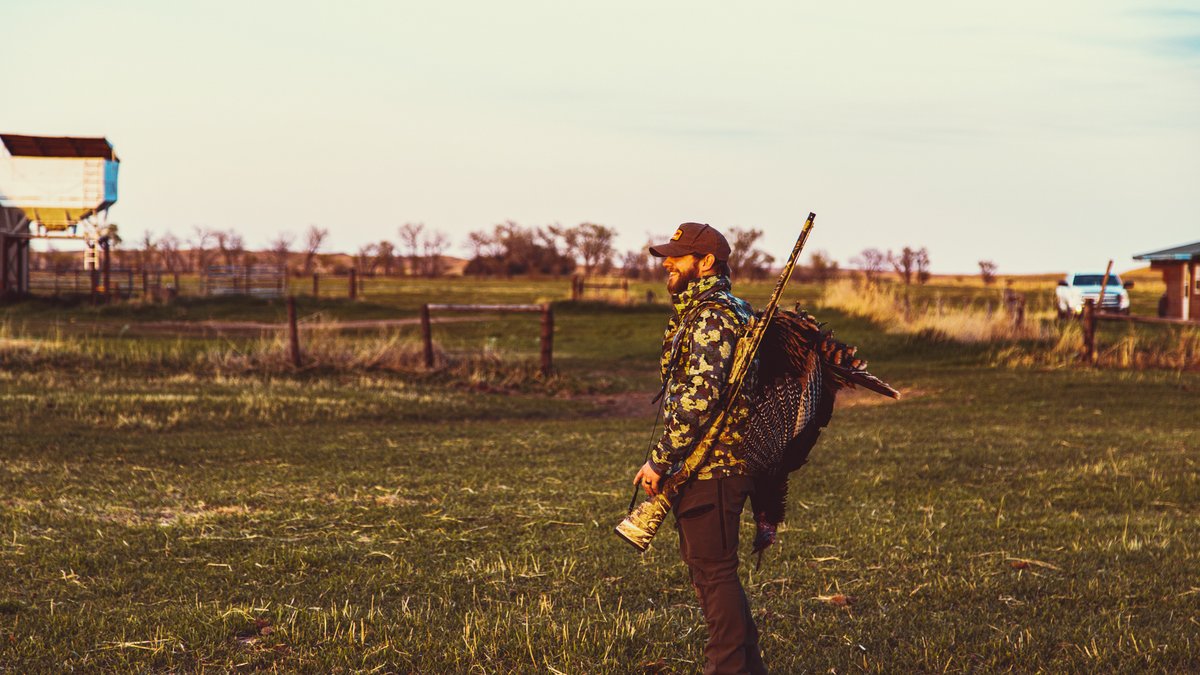
Turkey hunting on private land is a fundamentally different experience from hunting public ground. The difference isn't just about bird numbers, it's about bird behavior. A tom that has been called to twice on public ground by the time you set up on him in week two of the season is a different animal than a bird that has heard nothing but natural woods sounds since last spring. Private land turkey hunting produces more consistent encounters with callable birds, and the hunters who figure that out early rarely go back to competing for public land access.
The challenge has always been finding the access. Annual turkey leases exist but they're less common and less systematized than deer leases in most states. Turkey season is short, typically four to six weeks in spring, which makes the annual lease model economically awkward for both hunters and landowners. Day lease access to private turkey ground solves that problem, and the growth of platforms like LandTrust has made finding and booking private land turkey hunting more accessible than it has ever been.
This guide covers what makes private land valuable for turkey hunting, how to evaluate a property before you book, what to expect from a day lease turkey hunt, and how to find the right ground for your season.
The pressure argument applies to turkey hunting even more acutely than it does to deer hunting. Whitetail bucks can be patterned around food and cover even after hunting pressure has made them largely nocturnal. Pressured turkeys don't become nocturnal, they become silent. A tom that has been called to repeatedly and walked away from hunters gets educated fast, and that education is hard to overcome with better calling or different decoys. The bird has simply learned that hen sounds near a field edge sometimes mean danger.
Private land birds that haven't been called to all season respond to calling the way turkey hunting is supposed to work. A gobbler that fires up at your first yelp sequence and covers two hundred yards in three minutes to investigate is a turkey that hasn't been educated. That experience happens consistently on quality private land that controls hunting pressure, and it happens rarely on public ground where birds have been worked repeatedly since opening morning.
The terrain knowledge that private land access provides is the other significant advantage. When you book a turkey property through LandTrust, you know where the birds roost, where they travel to after flydown, and which field edges and timber openings they're using before you ever arrive. That information comes from the landowner who watches these birds year-round, not from two hours of scouting on unfamiliar public land the evening before opening morning. Knowing where to set up before first light is half the turkey hunting equation.
Not all private land holds turkeys, and not all turkey land holds birds in a way that produces consistent hunting opportunities. Understanding what separates productive turkey habitat from marginal ground helps you evaluate listings before you book.
Roosting timber is non-negotiable. Turkeys roost in trees, typically large hardwoods or pines with substantial horizontal branching, and their morning travel patterns radiate out from roost sites to feeding and strutting areas. A property without mature roosting timber either doesn't hold birds or holds birds that roost on neighboring land and use your property only incidentally. Properties that can identify specific roost sites are giving you the most valuable turkey scouting information available.
Strutting areas and field edges are where spring gobblers want to be seen. Open areas, agricultural fields, food plots, native grass openings, logging roads, adjacent to timber are where toms set up to display. Properties with a diversity of habitat types, mature timber for roosting, open areas for strutting, brushy edges for midday loafing, hold birds in a way that single-habitat properties don't.
Water is less critical for turkey habitat than for deer, but springs, ponds, and creek drainages concentrate birds in dry conditions and often serve as travel corridors between roost sites and feeding areas. Properties with reliable water sources near the hunting areas are more productive through the length of the spring season as weather patterns change.
Bird density and gobbling activity are the most direct indicators of hunting quality, and the best private land listings are specific about both. A landowner who tells you that three or four toms are actively gobbling on the property in the week before your hunt is giving you information worth more than any habitat description. Trail cameras placed near roost sites and strutting areas capture this activity and landowners who share that data with incoming hunters are providing a level of pre-hunt intelligence that transforms your setup strategy.
The vast majority of private land turkey hunting happens in spring, and that's where the lease market concentrates. Spring turkey season targets gobblers responding to breeding behavior — they're vocal, responsive to calls, and moving in predictable patterns that hunters can intercept with the right setup. Spring hunting is what most hunters think of when they imagine turkey hunting, and it's the season that the private land market is built around.
Fall turkey hunting is available in a number of states including West Virginia, Pennsylvania, Virginia, New York, and Missouri, among others. Fall turkey hunting is a different pursuit, birds are in fall flocks rather than breeding mode, and the primary technique is scattering flocks and calling birds back rather than working gobblers responding to hen calls. Fall turkey leases are less common than spring leases but available on properties where fall seasons are open, and the hunting is genuinely enjoyable for hunters who want to extend their season beyond the spring.
Spring lease timing matters more for turkey than for any other species. A week-one booking in the first days of the season typically produces more gobbling and more responsive birds than a week-four booking after hunting pressure has educated the local tom population. On private land where pressure is controlled, the difference between early and late season is less dramatic than on public ground, but early season bookings on proven private turkey properties still book faster and at premium rates relative to later dates.
A private land turkey lease booked through LandTrust covers your access to a specific property for the dates you book. What that access includes varies by property and landowner, and the listing details tell you what's provided before you commit.
Some private turkey properties include established blinds or pop-up blind locations identified by the landowner as the most productive setups on the property. Others provide access to the land itself and leave stand and blind placement to the hunter. Knowing which you're booking before you arrive determines how much equipment you need to bring and how much time you need for setup on the morning of your hunt.
Property rules around decoy use, calling devices, and the number of hunters allowed to hunt simultaneously are typically specified in the listing. Many private turkey properties limit hunting parties to two or three hunters for the same reason they limit deer stand occupancy, more hunters means more human scent and noise that degrades the hunting quality for everyone.
Cancellation policies matter more for turkey than for deer because spring turkey season windows are short and weather events can shut down gobbling activity across multiple consecutive days. Checking the cancellation policy before you book and understanding the flexibility available if weather or bird activity makes your specific dates less productive is worth the five minutes it takes before you confirm the reservation.
The states with the strongest private land turkey hunting inventory on LandTrust track closely with states that have strong wild turkey populations, Missouri, Kansas, Oklahoma, Texas, Tennessee, Alabama, Georgia, Virginia, and the Carolinas all have significant private turkey hunting available. Western states including Colorado and Montana offer Merriam's turkey hunting on private ranch land that provides a species-specific experience unavailable in the eastern states.
If you're pursuing a turkey grand slam, harvesting all five subspecies, private land access in the right states is essentially a requirement for the Osceola (Florida) and Merriam's (western states) portions of the slam. Wild Osceola turkey hunting in Florida is concentrated on private ranch land in the central and southern peninsula, and access to managed private ground through Land Trust is more reliable than attempting to navigate Florida's limited public Osceola hunting options.
The practical advice for finding the right private turkey property is to start your search earlier than you think necessary. Quality spring turkey properties in the best states book out weeks before the season opens, particularly for opening week dates. Hunters who wait until March to book April turkey hunts are competing for whatever dates remain rather than the dates and properties they actually want.
Communicate with landowners before you book. A brief message asking about current gobbling activity, roost locations, and which setups have been most productive in recent years gives you information that makes your hunt more likely to succeed and gives the landowner confidence that you're a serious hunter worth hosting. That communication is one of the practical advantages of day lease booking through LandTrust over trying to cold-call landowners for private access; you're contacting people who have already decided to host hunters and are prepared for the conversation.
Browse private turkey hunting properties on LandTrust by state and book your spring season before the best dates fill.