Sportsman
Feb 3, 2026

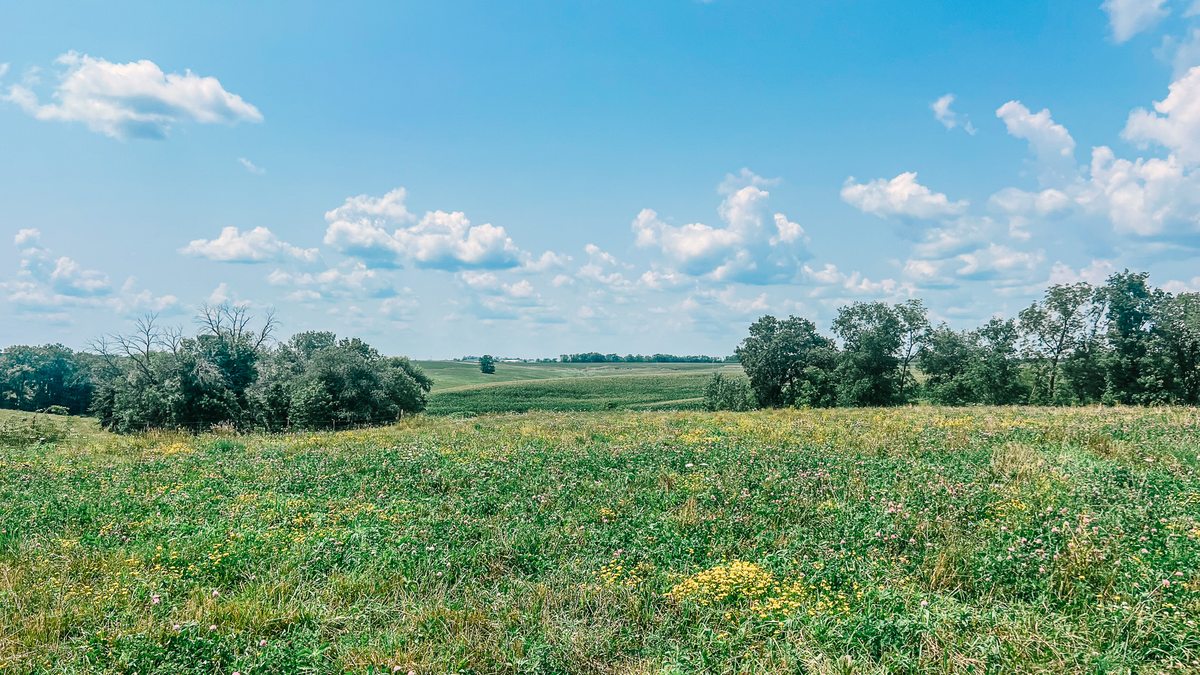
If you've spent any time trying to find quality private land for deer hunting, you already know the problem. The best ground isn't on public land — it's behind gates, on farm and ranch land managed by people who have invested years in habitat and herd management. Getting access to that ground used to mean one of two things: knowing the right people or signing an annual lease. For most hunters, neither option was straightforward.
The annual deer lease model has dominated private land access for decades, particularly in the South and Midwest where whitetail hunting culture runs deepest. It works for some hunters. For most, it locks them into a single property for an entire season at a significant upfront cost, with no guarantee that the hunting will justify the investment. The shift toward short-term, day-based deer hunting leases is changing that equation — and the hunters who understand how the new model works are accessing better ground more flexibly than the annual lease system ever allowed.
A deer hunting lease is an agreement that gives a hunter or group of hunters the right to access a specific piece of private land for deer hunting purposes. At its core, it provides two things that public land hunting can't: exclusivity and predictability. You're the only hunter on that ground, and you know the terrain before you arrive.
Those two elements change deer hunting in ways that hunters who have only hunted public land don't fully appreciate until they experience private ground. A buck that has never been pressured by hunters behaves differently than a buck that has been bumped off a public stand location three times in October. A property where you know the food sources, the bedding areas, and the trail network because you've hunted it before is a different hunting environment than unfamiliar public land where you're guessing at deer movement from a parking lot trailhead.
The annual lease delivers those benefits but at a cost that extends well beyond the dollar amount on the contract. You're committing to one piece of ground for an entire season, paying upfront regardless of how many days you actually hunt, and taking on maintenance responsibilities in most cases. For hunters who can use the same property intensively across a full season, the annual model has genuine value. For hunters who want flexibility — the ability to hunt different properties, target different regions as the rut moves through the landscape, or simply book the days they can actually get away — the annual lease is a poor fit.
Day lease access to private deer hunting ground through LandTrust works differently from the start. Instead of negotiating a private contract for a full season, you browse verified properties by state, habitat type, and species, review the property description and available photos, and book specific dates. Payment covers the days you book, not the season you hope to have.
The practical difference for a deer hunter is significant. A hunter targeting the Missouri rut in early November can book four days on a private agricultural property in Boone or Saline County specifically for that window, pay for those four days, and hunt with the same exclusivity and property knowledge that an annual lessee would have — without the year-round commitment or the off-season maintenance obligations. If the season is slower than expected or plans change, the booking structure is far more flexible than an annual contract where you've already handed over a lump sum.
The verification that LandTrust provides is what makes day lease booking work where private negotiations often don't. Property descriptions include terrain details, habitat type, food plot and stand availability, and in many cases current trail camera activity that the landowner shares with incoming hunters. That information lets you evaluate a property before you book rather than relying on a landowner's enthusiasm about their own ground — which is a genuinely different starting point than most private lease negotiations.
The geography of quality private deer hunting in the United States is not evenly distributed, and understanding where the best ground concentrates helps hunters make smarter decisions about where to focus their lease search.
The Midwest agricultural corridor — Iowa, Illinois, Missouri, Kansas, and Indiana — produces the largest-antlered whitetails in the country consistently, and private agricultural land in these states is where trophy deer hunting is concentrated. Row crop agriculture adjacent to hardwood timber creates the food and cover combination that grows mature bucks, and private ground that has been managed with voluntary antler restrictions for multiple seasons develops buck age structure that public land hunting can't replicate. Iowa and Illinois in particular have reputations for producing book-class deer on managed private ground that have made them destination states for serious trophy hunters willing to pay premium lease rates for the right properties.
The South — Alabama, Mississippi, Georgia, and the Carolinas — has its own private deer hunting tradition built around hunting clubs and annual leases on timber company and agricultural land. Southern deer are smaller-bodied than Midwest whitetails but hunting club culture in the Deep South is a genuine social tradition, and private land hunting on managed timber ground with consistent food plot programs produces quality deer that public WMA hunting in the same states can't match in terms of age structure.
The mid-Atlantic states — Virginia, West Virginia, Maryland, and Pennsylvania — offer private land whitetail hunting that combines the agricultural habitat of the Midwest with the terrain complexity of the Appalachians. Eastern panhandle West Virginia and the Shenandoah Valley region of Virginia produce quality bucks on private agricultural and timber ground, and the hunting pressure differential between private and public land in these states is particularly pronounced because public land receives consistent pressure from a large regional hunting population.
Not all private deer hunting access is equal, and the difference between a productive private land hunting experience and a disappointing one usually comes down to a handful of factors that are visible in a property description before you book.
Habitat quality is the starting point. Agricultural land adjacent to hardwood timber creates the food and cover combination that holds deer and produces mature bucks. Native grass buffers, food plots, water sources, and bedding cover in close proximity indicate a property that has been managed for deer rather than one where deer simply pass through. Properties that specify their food plot acreage, crop rotation, and habitat management approach in the listing are giving you information that translates directly into hunting quality.
Hunting pressure history matters as much as habitat. A property that has been carefully managed for low hunting pressure — limited hunting parties per season, stand rotation that avoids over-hunting specific locations, and minimal human intrusion outside of hunting days — holds deer in a way that heavily pressured ground doesn't. When you browse private deer hunting properties on LandTrust], look for properties where the landowner is specific about their pressure management approach rather than simply listing acreage and available stands.
Stand and blind availability affects the practical hunting experience more than hunters who have mostly hunted public land expect. A property with established stands in known productive locations, with shooting lanes cleared and approach routes defined, gives you a different starting point than arriving at a piece of private ground with no infrastructure and having to figure out the property from scratch on the first morning. Properties with documented trail camera activity at specific stand locations are giving you the most actionable pre-hunt information available.
Exclusive access confirmation is worth verifying before any booking. Day lease properties on LandTrust are booked for specific dates with one hunting party, but confirming that no other parties have simultaneous access — that you're not sharing the property with another group booked through a different arrangement — is a reasonable question to ask through the platform before your arrival.
Getting the most out of a private land deer hunting opportunity, whether it's a one-day booking or a multi-day trip, starts before you arrive. The property description, photos, and any trail camera data available through the landowner give you enough information to form a hunt plan before you get out of the truck.
Identify your primary stand locations based on habitat features visible in the property photos — field edges where timber meets agricultural ground, creek crossings that concentrate deer movement, saddles and pinch points in hilly terrain that funnel movement between bedding and feeding areas. Have a wind-based plan for which stands to hunt under which conditions rather than defaulting to the most convenient stand regardless of wind direction.
Scent control and access routes matter on private land exactly as they do on public land. A clean access route to your stand that avoids cutting through bedding areas is worth the extra time it takes, and private land where you control when and how you access your stands lets you be more disciplined about this than public land where other hunters' intrusions are outside your control.
If you're hunting multiple days on the same property, treat each stand location as a limited resource rather than hunting your best spot every morning. Rotating between stands based on wind direction and giving each location appropriate rest between sits preserves the hunting quality of the property across your entire trip rather than burning your best spots on the first day.