Landowner
Apr 28, 2025

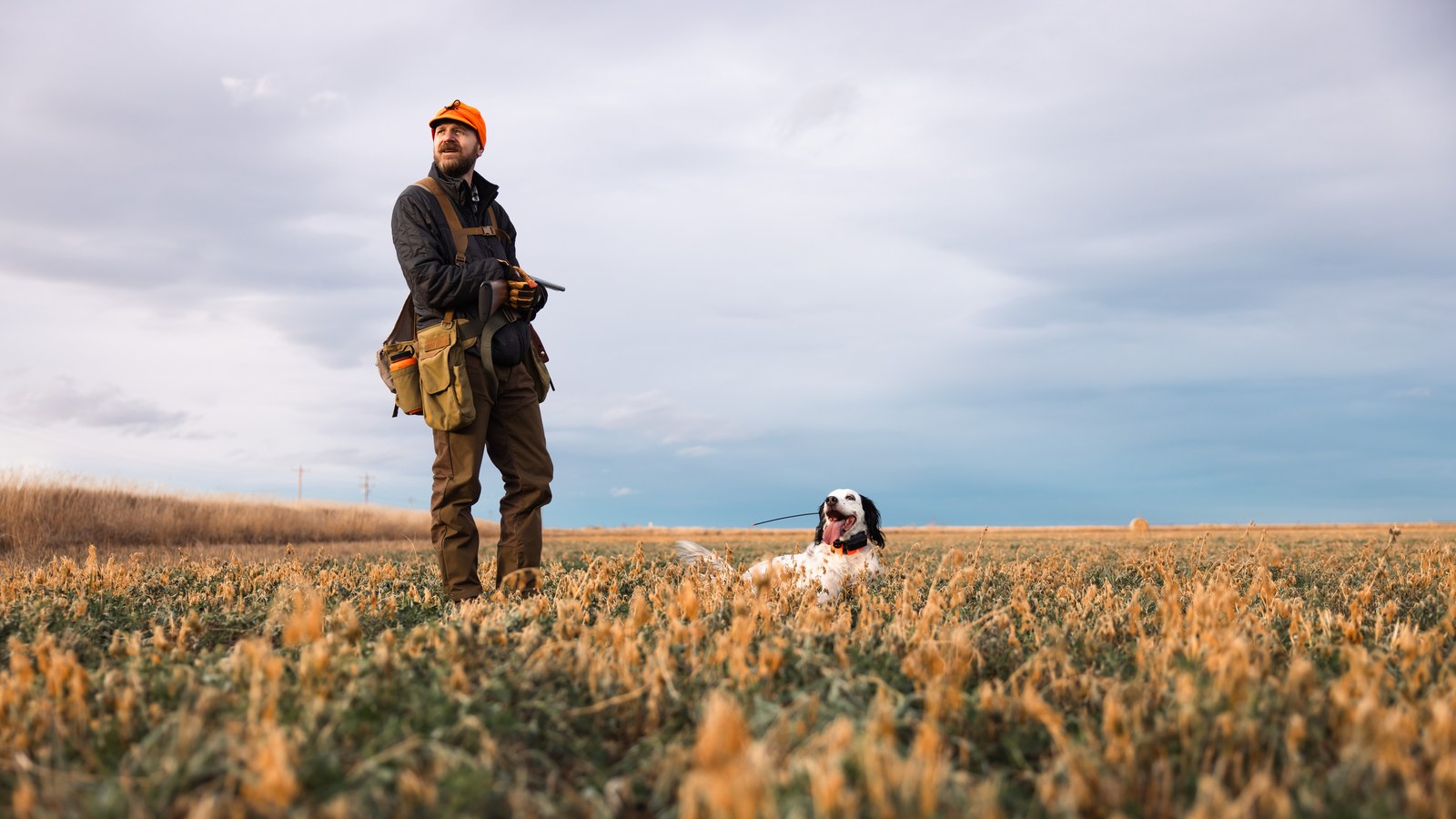
Dove hunting is one of the most social hunts of the year, and the birds you bring home deserve better than getting lost in the back of a freezer. Dove breast is genuinely good table fare when it's handled right — lean, dark, and flavorful in a way that surprises hunters who've never cooked it properly. The problem is that most hunters either overcook it into something dry and tough or don't know what to do with it beyond wrapping it in bacon and throwing it on a grill. Both approaches miss what dove breast is actually capable of.
This guide covers how to handle doves in the field, how to breast them efficiently, and the best ways to cook them — from a quick weeknight preparation to something worth serving at a proper table.
The quality of your dove breast at the table starts in the field, not in the kitchen. Doves are small birds with relatively little insulating fat, and they heat up fast in warm September conditions. The early dove season opener falls on September 1 in most states, which means you're hunting in temperatures that can reach into the 90s across the South and Midwest. Birds that sit in a hot bag for hours without cooling are going to be noticeably lower quality than birds that are kept cool from the moment they hit the ground.
The simplest field solution is a small cooler with ice in your vehicle. Get birds into the cooler as soon as practical after the shoot. If you're hunting a long morning or afternoon session and birds are stacking up, designate someone to make cooler runs or bring a cooler to the edge of the field. It sounds like extra work but the difference in meat quality is real.
Breasting doves in the field or immediately after the hunt is the most efficient approach. Place your foot on the wings of the bird, grab both legs, and pull upward firmly — the breast separates cleanly from the carcass with the skin attached. Some hunters prefer to skin the breast at this stage, others leave the skin on for cooking. For most preparations, skinless dove breast works fine and is faster to process in volume.
Rinse breasted doves in cold water, pat them dry, and refrigerate immediately if you're cooking within two days or freeze if you're saving them for later. Dove breast freezes well in zip bags with the air pressed out.
Dove breast is dark meat with very little fat, which means it goes from perfectly cooked to dry and tough in a narrow window. The most common mistake hunters make is treating dove like chicken and cooking it to an internal temperature of 165 degrees. At that temperature, dove breast is overdone. You're looking for an internal temperature closer to 135 to 145 degrees for a result that's juicy and tender rather than chalky.
Medium to medium-rare is the right target for dove breast prepared most ways. The meat should have a slight pink center when you cut into it. If it's uniformly gray throughout, you've gone too far. This is the same principle that applies to duck breast and most wild game dark meat — the USDA recommendations for poultry are written for commercially raised birds, not lean wild game.
This is the preparation most hunters know, and when it's done right it's genuinely excellent. The fat from the bacon bastes the dove breast as it cooks and provides enough moisture to keep the meat from drying out over direct heat. The key is not overcooking it.
Season dove breasts with salt, pepper, and a small amount of garlic powder. Place a slice of pickled jalapeño on each breast — this is optional but highly recommended. Wrap each breast tightly with a half strip of thin-cut bacon and secure with a toothpick. Grill over medium-high direct heat for three to four minutes per side, just until the bacon is crispy. Pull them off the heat while the bacon looks slightly underdone — carryover heat will finish the job. Let them rest two minutes before serving.
The mistake most hunters make with this preparation is cooking over too-high heat for too long. Flare-ups from bacon fat char the outside while the inside stays underdone, then hunters leave them on longer to address the raw center and end up with overcooked dove inside burnt bacon. Medium-high heat and attention are what this preparation needs.
This is the preparation that converts people who think they don't like dove. The bold flavors of a taco seasoning hold up well against dove's gamey depth, and the preparation is fast enough for a weeknight meal after a morning hunt.
Season dove breasts generously with cumin, chili powder, garlic powder, salt, and a pinch of cayenne. Heat a cast iron skillet over high heat with a tablespoon of oil until the oil just begins to smoke. Sear dove breasts two to three minutes per side — you want a genuine crust on the outside. Pull from the heat and let rest five minutes, then slice thinly across the grain.
Serve in warm corn tortillas with pickled red onion, fresh cilantro, a squeeze of lime, and a crema or sour cream. The sliced dove breast in this format is indistinguishable from good beef fajita meat to anyone who doesn't know what they're eating, and better than beef fajita meat to anyone who does.
This is the preparation for when you want to show someone that wild game belongs at a proper dinner table. It takes about twenty minutes and the result looks and tastes like something from a good restaurant.
Season dove breasts with salt and pepper. Heat butter and a splash of oil in a heavy skillet over medium-high heat. Sear breasts two minutes per side until deeply browned — work in batches if needed to avoid crowding the pan, which causes steaming rather than searing. Remove breasts and tent loosely with foil.
In the same pan, add a minced shallot and cook thirty seconds, then deglaze with a half cup of red wine, scraping up the browned bits from the bottom of the pan. Add a quarter cup of beef or game stock and reduce by half over medium heat. Finish the sauce with a tablespoon of cold butter whisked in off the heat. Plate the dove breasts and spoon the sauce over the top.
Serve with roasted root vegetables or a simple green salad. This preparation works equally well with teal breasts or any other waterfowl, and the technique scales up cleanly for larger dinner parties.
This is the preparation that gets the most birds used efficiently when you've had a good shoot and you're working through volume. It's a one-pan meal that works for a hunting camp dinner or a family weeknight.
Brown dove breasts in batches in a Dutch oven with oil over medium-high heat, seasoning with salt, pepper, and smoked paprika. Remove the browned breasts and set aside. In the same pot, sauté diced onion, bell pepper, and garlic until softened. Add a cup of long-grain white rice and stir to coat in the fat. Add two cups of chicken or game stock and a can of diced tomatoes, bring to a simmer, nestle the dove breasts back into the pot, cover, and cook on low heat for eighteen to twenty minutes until the rice is cooked through and the liquid is absorbed.
The dove breasts in this preparation essentially braise in the stock and become very tender even if you cook them slightly past medium. It's a forgiving recipe that handles high-volume cooking well.
The best dove shoots happen on private agricultural land — harvested grain fields, sunflower plots, and milo fields that concentrate birds predictably rather than the scattered shooting you get on public land. A private field with a known food source and water nearby is a fundamentally different hunting experience from walking fence lines on public ground hoping to push up singles.
When you book private land through LandTrust for dove season, you're getting access to land where the landowner knows the bird activity, where you're not sharing the field with a crowd of other hunters, and where the shoot can be planned around the field conditions rather than whoever showed up first. Early September dove hunting on a managed private field in Texas, Oklahoma, or the Carolinas is one of the most enjoyable and productive hunting experiences available on the platform.
If you've had a good shoot on private land, the birds you bring home deserve the preparation they're capable of. Field care, proper cooking temperature, and the right recipe make dove breast one of the best meals that comes out of a hunting season.
Browse dove hunting properties on LandTrust and find private agricultural land for the September opener.