Sportsman
Mar 11, 2026

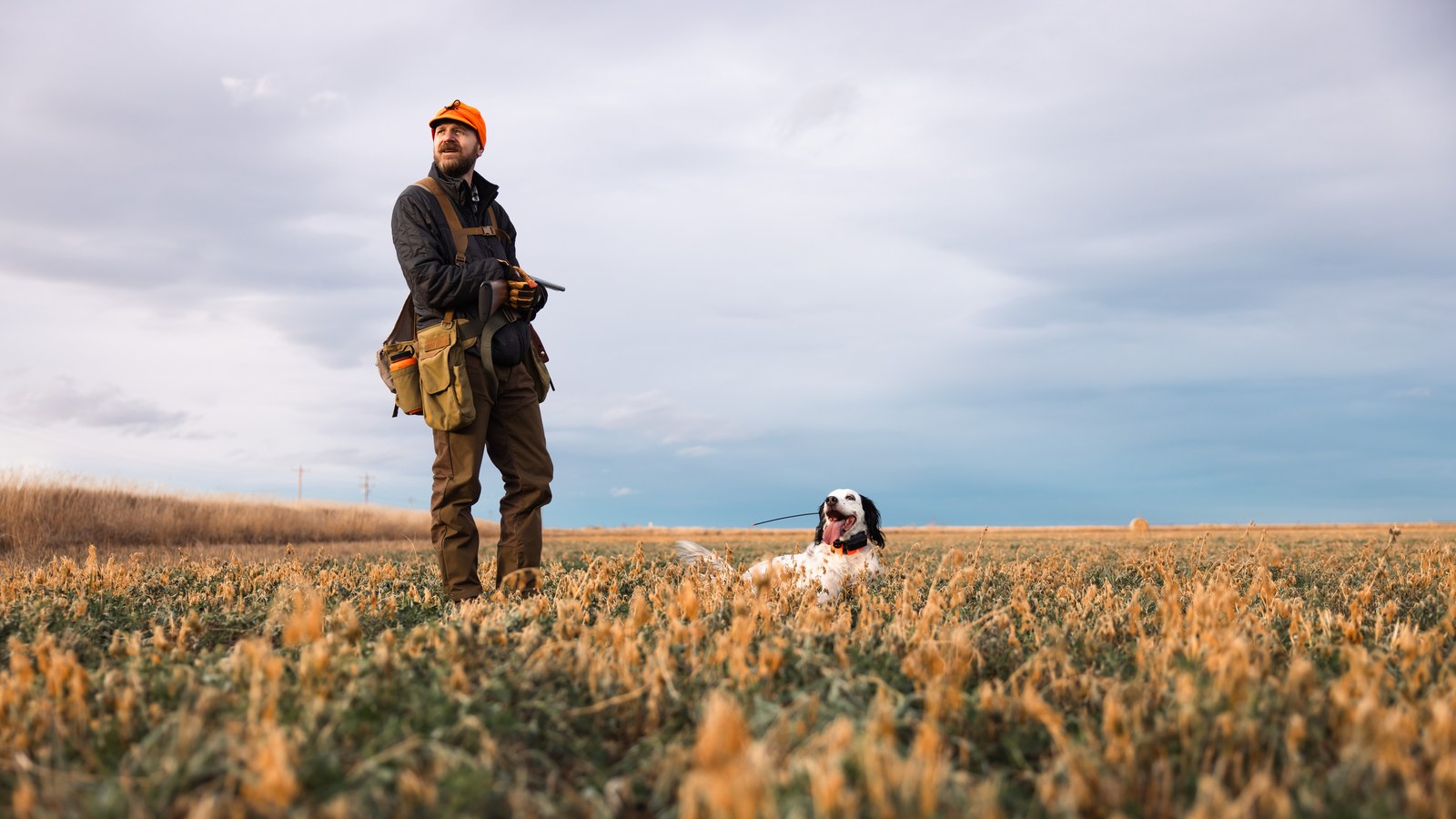
Kansas sits at the intersection of two of the most important upland bird traditions in American hunting. The state's northern tier is some of the best wild pheasant country in the Great Plains, holding ring-necked pheasants in numbers that rival South Dakota in good years and providing hunting that draws dedicated pheasant hunters from across the Midwest. The state's southern counties are part of the historic bobwhite quail belt that once defined small game hunting across the Southern Plains, and while quail numbers have declined from historic highs as they have across most of the species' range, managed private land in southern Kansas still holds birds in numbers that produce genuine quail hunting experiences that most of the Southeast can no longer replicate.
Two species, two distinct landscapes, and a season structure that allows hunters to pursue both in the same trip — Kansas upland hunting on private land is one of the most versatile and underappreciated bird hunting opportunities in the country.
The best pheasant habitat in Kansas is concentrated in the northwestern and north-central counties where small grain farming — wheat, grain sorghum, and corn — adjacent to native grass cover and CRP ground creates the habitat mosaic that wild pheasants require. The counties of Sherman, Thomas, Sheridan, Graham, Norton, Decatur, and Phillips in the northwest corner of the state produce birds consistently in good years, and the agricultural country of the north-central region around Osborne, Mitchell, and Lincoln counties adds additional productive ground that receives less hunting pressure than the far northwest.
Kansas pheasant numbers fluctuate with weather conditions in a way that hunters planning trips need to account for. Wet springs followed by dry nesting seasons produce strong bird numbers that hunters experience as multiple flushes per hour of hunting in good cover. Dry springs with poor nesting conditions or late cold snaps that affect chick survival produce lean years where hunting the same cover produces a fraction of the bird contact. Checking Kansas Department of Wildlife and Parks pheasant population survey data, which is published in late summer before the season, gives hunters a realistic picture of what to expect before committing to a trip.
Kansas pheasant season typically opens in mid-November, which is later than South Dakota's October opener and reflects the state's management philosophy of allowing birds additional time to mature and disperse from summer range before hunting pressure begins. The mid-November opener coincides with post-harvest conditions across the wheat and grain sorghum country of the northwest, when standing cover has been reduced by harvest and birds concentrate around remaining food sources and shelter in ways that make them more findable than the pre-harvest landscape.
The timing also means Kansas pheasant hunting coincides with late fall weather — cold temperatures, potential snow, and the northwest winds that can make hunting the open plains country of western Kansas a genuine physical commitment. Late season pheasants in Kansas that have survived a month of hunting pressure are educated birds that use terrain, cover, and wind direction to avoid hunters in ways that opening day birds in South Dakota don't. Hunting pressured late-season Kansas roosters with good dogs in cold conditions is as technically demanding as wild pheasant hunting gets.
Public land access for pheasant hunting in Kansas is available through the Kansas Department of Wildlife and Parks walk-in hunting access program, which enrolls private land for public hunting access across the state. The walk-in program provides meaningful access in the northwest counties where the best pheasant habitat is concentrated, but the most productive walk-in areas near paved roads and in the most well-known pheasant counties receive pressure that educates birds quickly through the season.
Private land pheasant hunting in Kansas opens ground that the walk-in program doesn't reach — working farm and ranch land in the northwest counties where pheasants have not been pressured by hunting parties working through public access areas. A private agricultural property in Sherman or Thomas County with shelter belts, food plots, and standing cover managed for bird holding is a different hunting experience from a walk-in area that has been worked repeatedly since the opener. The roosters hold differently, the dog work is more productive, and the shooting reflects what Kansas pheasant habitat actually produces when pressure is controlled.
Southern Kansas is historically part of the bobwhite quail belt that stretches from Oklahoma and Texas north through the tallgrass and mixed grass prairie country of the Southern Plains. The decline in Kansas quail numbers over the past several decades mirrors the broader collapse of bobwhite populations across the species' range — a response to habitat loss driven by the conversion of native grass to row crops, the maturation of formerly brushy farmland, and the reduction in the early successional cover that quail need to nest and rear broods successfully.
What remains in southern Kansas is a quail hunting resource that, on managed private land with intentional habitat work, produces hunting that the rest of the Midwest can no longer offer. The counties of Barber, Comanche, Kiowa, Pratt, and the surrounding southern tier hold the strongest remaining wild quail populations in the state, concentrated on native grass and mixed brush country where habitat change has been less dramatic than in the intensively cultivated central and northern counties.
Kansas quail season typically opens in mid-November and runs through January, providing a two-month window that covers the full fall and winter period when coveys have formed and birds are huntable with dogs. The November opener in southern Kansas coincides with the same period as the pheasant opener in the north, which makes a Kansas upland hunting trip that targets both species — pheasants in the north first, then driving south for quail — a genuinely viable multi-species itinerary for hunters with a week to commit to the state.
Wild quail hunting in southern Kansas on private land requires a realistic understanding of current bird numbers. The populations that remain are concentrated on specific habitat types — native grass with brushy draws, cedar thickets that provide winter escape cover, and the transition zones between cultivated fields and native range — and are not evenly distributed across the landscape the way historic quail populations were when the habitat mosaic was intact at a broader scale. Hunters who arrive in southern Kansas expecting the wall-to-wall quail hunting that the state produced fifty years ago will be disappointed. Hunters who understand that quality wild quail hunting in the modern South requires finding the right private land with the right habitat will find birds.
The landowners in southern Kansas who have maintained or restored native grass, managed cedar encroachment with prescribed fire, and kept their agricultural edges in a condition that supports quail habitat are the private land contacts worth finding. These operations hold birds because the habitat work has been done, and access to that ground through LandTrust connects hunters to landowners who have invested in their quail resource in a way that casual public land access cannot replicate.
Managed quail operations in southern Kansas that supplement wild bird populations with stocked birds provide an additional option for hunters who want consistent shooting regardless of wild bird population fluctuations. The best managed operations combine habitat management — native grass, brushy cover, and prescribed fire — with a stocked bird program that uses the natural cover effectively rather than releasing birds into marginal habitat and expecting results. Dog work on a well-managed southern Kansas quail property, whether the birds are wild or stocked, is a hunting experience that stands on its own.
The geographic separation of Kansas pheasant and quail country — pheasants in the north, quail in the south — creates a natural multi-species trip structure for hunters with the time to cover ground. A four to five day Kansas upland trip might allocate the first two or three days to pheasant hunting in the northwest counties, then drive south to spend the final days hunting quail in Barber or Comanche County on private ground that holds birds in native grass and brushy draw country.
The gear overlap between pheasant and quail hunting is significant enough that packing for both species on the same trip requires minimal adjustment. A 12 or 20 gauge shotgun with interchangeable choke tubes handles the full range of shooting — modified or improved modified for pheasants at the longer flush distances that late-season birds produce, improved cylinder for quail at the closer ranges that covey flushes typically present. Shot sizes shift between the two species — 4 or 5 shot for pheasants, 7.5 or 8 shot for quail — but carrying both and switching based on the day's target species is straightforward.
Dogs that are comfortable with both species are the ideal for a combined Kansas trip. A German shorthair or Brittany that will hold on a pheasant and also handle the faster-flushing dynamics of a quail covey is the most versatile choice for hunters who don't want to manage two dogs across two different hunting environments in the same week.
Kansas public land upland hunting exists through the walk-in program, state wildlife areas, and public hunting ground distributed across both the pheasant and quail zones. That public access is real and provides legitimate hunting opportunity for hunters without private land connections. What it cannot provide is what private land delivers — known habitat, known bird activity, and the ability to hunt ground that hasn't been worked by other hunting parties through the season.
The walk-in areas in northwest Kansas that produce the most consistent pheasant hunting are not secrets in the Kansas hunting community or among the out-of-state hunters who make the state an annual destination. The areas that hold birds draw hunting pressure proportional to their reputation, and by the time a hunter arrives for a mid-November or December trip, the most accessible and productive walk-in ground has been worked repeatedly since the opener.
Private land in the northwest pheasant counties available through LandTrust puts hunters on agricultural and ranch ground where roosters have not been educated by hunting pressure. Private quail ground in the southern counties connects hunters with landowners who know their bird numbers, their covey locations, and their habitat well enough to put hunting parties on birds rather than sending them to walk marginal ground and hope for contact.
Kansas is a state worth planning a dedicated upland trip around. The pheasant hunting in the northwest is among the best available on private agricultural ground in the Great Plains, the quail hunting in the south represents a genuine wild bird hunting opportunity that is increasingly rare across the species' range, and the ability to combine both in a single trip to the same state is an itinerary that no other state in the country can replicate.
Browse upland hunting properties on LandTrust in Kansas for private land pheasant and quail access across the state's best bird country.