Sportsman
Mar 4, 2026

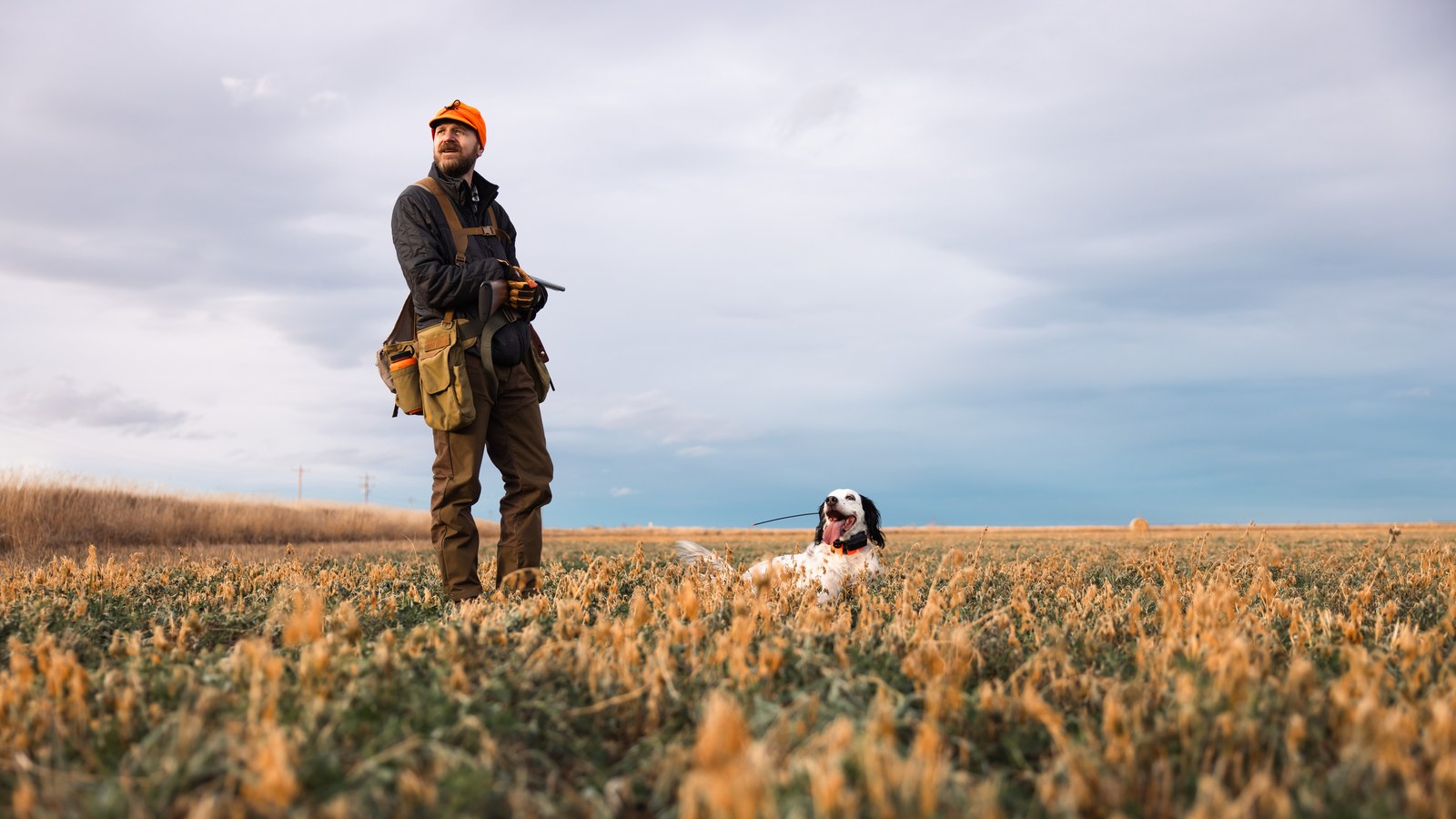
Pheasant hunting occupies a unique place in the American hunting tradition. It is one of the few upland pursuits where the destination matters as much as the method — ring-necked pheasants are not evenly distributed across the country, and the states that hold genuine wild bird populations are specific enough that serious pheasant hunters plan their seasons around geography more than almost any other species. If you want to hunt wild pheasants in numbers that make for a memorable season, you need to be in the right state, on the right land, at the right time.
This guide covers the best pheasant hunting states in the country, how public versus private land access shapes the experience, and why the hunters who consistently find birds are the ones who have figured out the private land equation.
Ring-necked pheasants are not native to North America. They were introduced from Asia in the late 1800s and established wild populations across the agricultural Midwest and Great Plains where the combination of grain crops, grassland cover, and cold winters creates habitat that suits them. That specific habitat requirement is why pheasant hunting is concentrated in a handful of states rather than distributed broadly the way whitetail deer hunting is.
The states that hold genuine wild pheasant populations share common characteristics — row crop agriculture dominated by corn and soybeans or small grains, native grass conservation programs like CRP that provide nesting and winter cover, and winters cold enough to maintain the population dynamics that produce huntable numbers of birds year after year. Where those conditions exist, pheasant hunting is excellent. Where they don't, stocked bird hunting on private preserves is the only option.
South Dakota is the standard by which all other pheasant hunting is measured. The state produces more wild pheasants than any other in the country and has built an entire tourism industry around the October and November hunting season. The east river country — the agricultural land east of the Missouri River — is the heart of South Dakota pheasant hunting, with counties like Beadle, Spink, Faulk, and Hand producing birds in numbers that most pheasant hunters outside the state find genuinely surprising the first time they experience it.
South Dakota's pheasant season typically opens on the third Saturday of October and runs through the end of December. The opening weekend is one of the most anticipated hunting events in the country — lodges book out months in advance, and the east river towns fill with hunters from across the Midwest and beyond. Daily bag limits are generous by most states' standards, and the combination of public walk-in areas, public hunting land, and private agricultural ground creates a range of access options that suit different budgets and preferences.
Public land pheasant hunting in South Dakota is available through the Game, Fish and Parks walk-in area program, which provides access to private land enrolled by landowners who receive annual payments for public hunting access. The walk-in program is one of the most extensive in the country and gives hunters without private land connections a legitimate path to birds. The tradeoff is pressure — walk-in areas near population centers and on the most productive ground receive heavy hunting pressure, particularly during opening week, and birds in heavily worked public areas learn quickly to hold tight, run ahead of dogs, and flush wild at distances that make shooting difficult.
Private land pheasant hunting in South Dakota produces a fundamentally different experience. Agricultural ground that hasn't been walked by other hunters, shelterbelts and food plots managed specifically for bird holding, and the ability to hunt the same cover multiple times across a week-long trip without competing with other parties changes the shooting quality dramatically. Landowners in the core pheasant counties who manage their ground for bird holding — maintaining native grass buffers, leaving standing corn strips, managing CRP acres that provide winter cover adjacent to food sources — hold birds that walk-in area birds are not.
Kansas doesn't get the national attention that South Dakota does, but it produces excellent wild pheasant hunting across its northern tier counties, and the access situation is often more favorable than South Dakota during peak season. The northwest Kansas counties — Sherman, Thomas, Sheridan, Graham, and Decatur — hold strong bird populations in years when nesting conditions are good, and the hunting pressure is lower than comparable South Dakota ground.
Kansas pheasant season typically opens in mid-November, which is later than South Dakota and coincides with post-harvest conditions that concentrate birds around remaining food sources. The later opener means hunters are dealing with birds that have had more time to pattern human activity, but it also means the hunting coincides with cold weather that keeps birds in predictable cover rather than scattered across the landscape.
The Kansas walk-in hunting access program provides public access to enrolled private land across the state, similar to South Dakota's program. Northwest Kansas walk-in areas during the late November and December season provide legitimate wild bird hunting that is less crowded than South Dakota's opening week by a significant margin.
Iowa pheasant numbers have declined from historic highs as CRP enrollment has decreased and farming practices have intensified, but the state still holds huntable wild pheasant populations in its northwest counties, and the birds that are there tend to be less pressured than South Dakota birds given the reduced hunter interest in recent years.
The northwest Iowa counties — Osceola, Dickinson, Clay, Palo Alto, and Emmet — represent the core of the state's remaining wild pheasant habitat. Private land access in this region on ground with CRP cover adjacent to corn and soybean fields produces bird hunting that the state's reputation no longer fully reflects. Iowa's season typically opens in late October and runs through January.
Nebraska holds strong pheasant populations across its central and northern agricultural counties, with the Sandhills region providing a unique mix of native grass and irrigated agriculture that produces excellent bird habitat. The state's walk-in access program has expanded in recent years, and private land access through agricultural connections and booking platforms opens ground that public access doesn't reach.
Nebraska's pheasant season typically opens in late October with generous bag limits. The Sandhills counties in the central part of the state — Cherry, Brown, Rock, and Keya Paha — offer a pheasant hunting experience in native grass country that is different from the row crop agriculture hunting of South Dakota and Kansas and appeals to hunters looking for a less crowded experience in genuinely wild terrain.
The gap between public and private land pheasant hunting is wider than it is for almost any other species, and the reason is simple — pheasants that survive hunting pressure get educated faster than almost any other upland bird. A rooster that has been flushed wild by a group of hunters working a public walk-in area on opening weekend is a different bird two weeks later than he was on opening morning. He runs ahead of dogs, flushes at distances that are outside comfortable shooting range, and uses terrain and cover to avoid contact with hunting parties in ways that naive unpressured birds don't.
Private land birds that haven't been pushed hold tighter, flush closer, and present shots that dogs and hunters can work together to produce consistently. The difference isn't just in shooting opportunity — it's in the entire quality of the hunt. Working a good dog through unpressured cover on private ground where birds are holding naturally is the pheasant hunting experience that most hunters are chasing. Walking a beaten-up public area hoping to cut off running roosters is a different activity that produces frustration as often as it produces shooting.
The other private land advantage is knowing what you're hunting before you arrive. When you book a pheasant property through LandTrust, the property description tells you what cover is available — shelterbelts, food plots, CRP grass, standing corn strips — and the landowner's knowledge of current bird activity on the property is information that walk-in area hunting simply doesn't provide. Showing up to hunt known cover with known bird activity is a different starting point than showing up to a walk-in area and hoping birds are present.
Pheasant hunting gear is straightforward compared to big game hunting but the details matter. A 12 gauge shotgun with modified or improved modified choke handles the full range of pheasant shooting situations — birds flushing close at 15 yards over a pointing dog to birds getting up wild at 40 yards ahead of a flushing dog. Shells in the 4, 5, or 6 shot range cover most scenarios, with 4 shot worth considering for late-season birds in heavy cover where penetration matters more than pattern density.
Upland boots that handle a full day of walking across corn stubble, CRP grass, and plowed ground are worth the investment. Blister prevention on a three-day pheasant trip is not a minor concern — hunters who are limping by day two miss birds on day three. A blaze orange vest is required in most pheasant states and serves double duty as a shell carrier.
Dogs make pheasant hunting what it is. A hunter without a dog working public land for wild pheasants in the Dakotas in late October is at a significant disadvantage compared to a party with a pointing or flushing dog. On private land with holding birds, a good dog transforms a shooting opportunity into a hunting experience. If you don't have a dog, booking through a landowner who has dogs available or connecting with a hunting party that does is worth prioritizing.
Browse pheasant hunting properties on LandTrust and find private land access in South Dakota, Kansas, Nebraska, Iowa, and beyond.